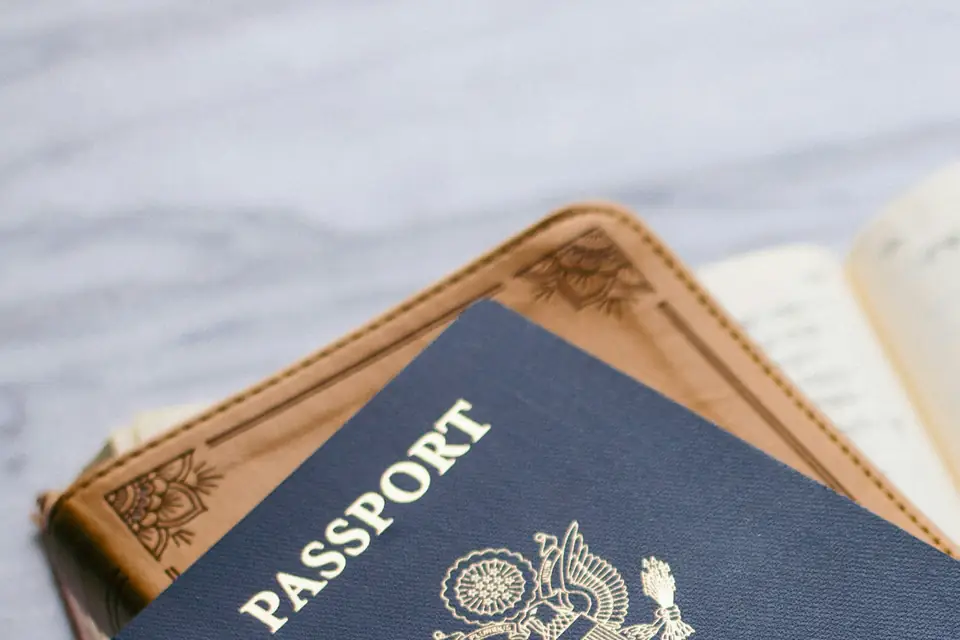
Singapore to Bali Travel Guide Packing Guide

Preparing for your singapore to bali journey involves a curated approach to packing, ensuring you meet the island’s tropical climate, embrace its vibrant culture, and navigate its diverse luxury experiences with effortless grace. A well-planned wardrobe bridges the sophisticated urbanity of Singapore with Bali’s serene, spiritual charm.

  • Climate Adaptation: Prioritize lightweight, breathable fabrics for Bali’s consistent warmth and humidity, with provisions for occasional rain.
  • Cultural Respect: Pack modest attire, particularly for temple visits, to honor local customs and traditions.
  • Activity Versatility: Include options for beach relaxation, active pursuits, and refined evening dining, reflecting Bali’s multifaceted appeal.

The hum of Singapore’s urban pulse fades, replaced by the scent of frangipani and the distant rhythm of gamelan as your singapore to bali escape begins. This transition is not just geographical; it’s a shift in sensory experience, demanding a wardrobe that anticipates both the island’s languid pace and its vibrant energy. You are stepping into a realm where ancient traditions meet modern luxury, where rice paddies glow under the equatorial sun and world-class resorts offer unparalleled indulgence. Your packing strategy, therefore, becomes an essential element of this immersion, a thoughtful curation designed to enhance every moment, from morning yoga sessions overlooking the Indian Ocean to sunset cocktails at exclusive beach clubs.

Navigating Bali’s Tropical Climate: Lightweight Luxury

Bali operates on a perpetual summer cycle, characterized by consistent warmth and high humidity that hovers around 80% year-round. The average daily temperature rests comfortably between 26°C and 28°C, demanding a wardrobe built on breathability and rapid drying. Your luxury packing list for a singapore to bali trip must prioritize fabrics like linen, organic cotton, and silk, which allow air circulation and wick moisture away from the skin. Consider tailored linen shirts and trousers from brands like Loro Piana or Brunello Cucinelli for men, offering a sophisticated yet comfortable daytime look. For women, flowing silk dresses by Johanna Ortiz or lightweight cotton ensembles from Zimmermann effortlessly transition from a leisurely brunch to an afternoon art gallery visit in Ubud. Even during the dry season, which typically runs from May to September, a sudden tropical shower can occur, making a lightweight, packable rain jacket or an elegant umbrella a prudent inclusion. Look for advanced performance fabrics from brands such as Arc’teryx or Patagonia that offer water resistance without bulk. Quick-drying swimwear is paramount; you’ll likely be enjoying the island’s many pools and beaches daily. A minimum of three swimsuits allows for proper drying time and variety. The wet season, from October to April, sees heavier, more prolonged rainfall, so waterproof sandals or elegant espadrilles become invaluable over open-toed options. For deeper insights into Bali’s weather patterns throughout the year, consult our guide on Bali’s Best Seasons.

Cultural Sensitivity & Temple Attire: Respectful Elegance

Bali, often called the “Island of the Gods,” is steeped in spiritual tradition, with over 20,000 temples dotting its landscape. The Balinese Hindu population, comprising approximately 90% of the island’s residents, practices a vibrant form of Hinduism that permeates daily life. Visiting these sacred sites requires a respectful approach to attire, a demonstration of your appreciation for local customs. Both men and women must cover their shoulders and knees when entering temples. This typically means wearing a sarong (kain) and a sash (selendang) around the waist. While these are often available for rent at temple entrances for a small fee, perhaps IDR 10,000-20,000 (roughly $0.70-$1.40 USD), bringing your own ensures both hygiene and a personalized touch. An elegant silk scarf from Hermès or a beautifully woven artisan sarong purchased in