
Uncategorized
The Best Time to Fly from Singapore to Bali for Luxury
By admin_sgb4 Published 10 min read
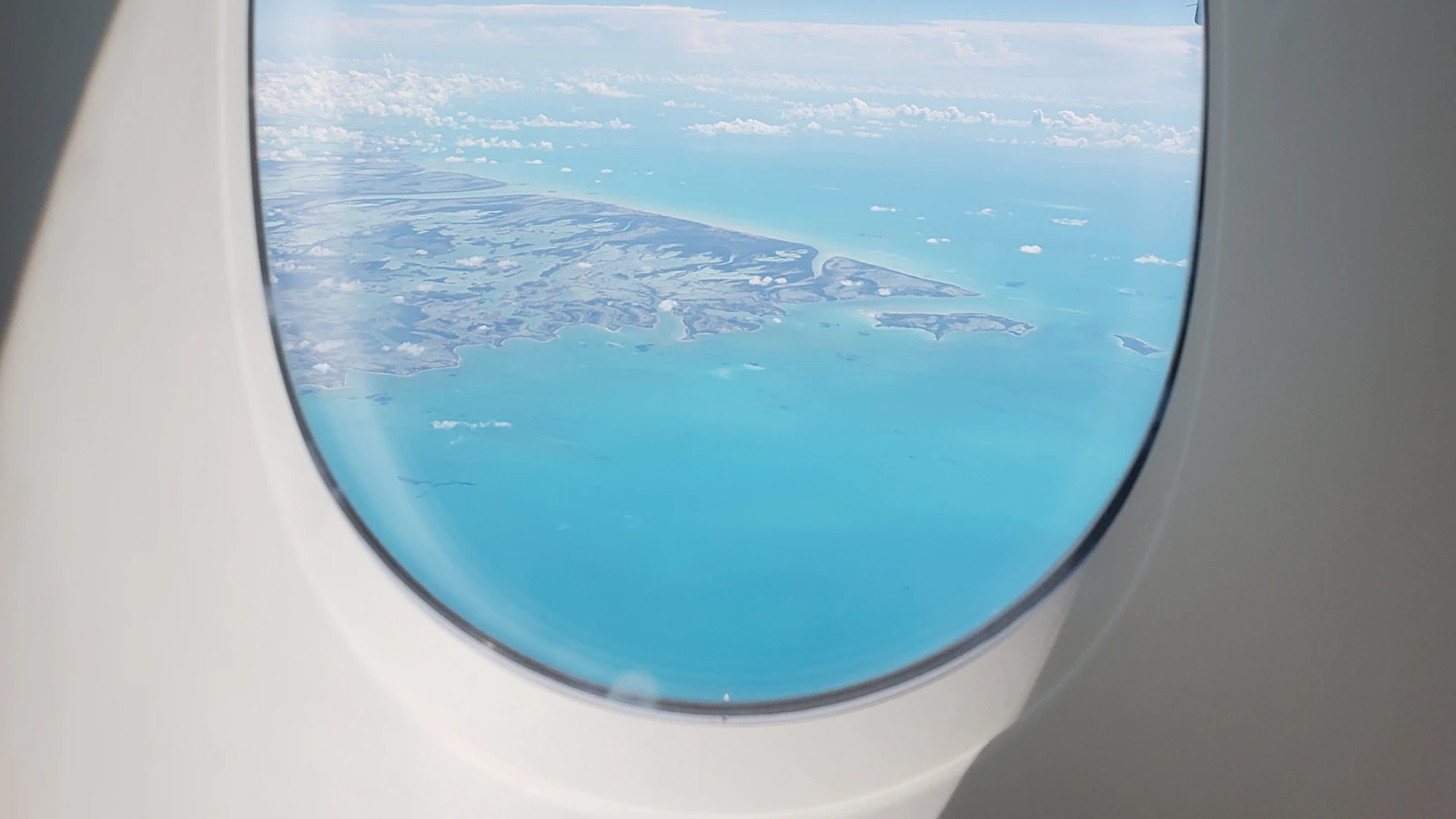
The best time to fly to Bali from Singapore for a luxury experience is during the shoulder months of April, May, and September. This period provides an optimal blend of excellent weather and diminished crowds, allowing for a more exclusive and serene island escape just a short flight from Changi.
- These months offer dry, sunny days with lower humidity, ideal for both beach relaxation and inland exploration.
- Luxury villa and five-star resort pricing is often 20-30% lower than the July and August high-season peak.
- Fewer tourists mean easier access to premier dining reservations, private tours, and wellness sanctuaries.
The warm, humid air greets you the moment you step onto the tarmac at Ngurah Rai International Airport. It carries the faint, unmistakable scent of Bali—a complex perfume of clove incense, frangipani blossoms, and salt from the nearby Indian Ocean. This sensory welcome marks the beginning of a journey, a transition from the structured metropolis of Singapore to an island where time itself feels more fluid. The 2-hour and 45-minute flight is merely a prelude. But for the discerning traveler, the true art of a perfect Balinese sojourn lies not just in choosing the right villa, but in choosing the right moment. Timing is the invisible thread that weaves together an experience of seamless luxury, separating a pleasant holiday from an extraordinary one. Understanding the island’s subtle rhythms is the key to unlocking its most exclusive treasures.
Decoding Bali’s Seasons: Beyond ‘Wet’ and ‘Dry’
Most guides will simplify Bali’s climate into two distinct seasons: a dry season from April to October and a wet season from November to March. While factually correct, this binary view fails to capture the nuances critical for planning a luxury trip. The island’s equatorial position, just eight degrees south of the equator, ensures a consistently warm tropical climate, with average daytime temperatures hovering around a pleasant 28-30°C (82-86°F) year-round. The variable is precipitation, not temperature. The true high season, driven by European and Australian holidays, is concentrated in July and August. During these two months, the weather is indeed sublime—minimal rain, low humidity, and constant sunshine. However, this meteorological perfection comes at a cost: peak crowds descend upon the southern beach enclaves of Seminyak, Canggu, and Uluwatu, and securing a reservation at celebrated restaurants like Sarong or Merah Putih requires weeks, if not months, of advance planning. The wet season, conversely, is often unfairly maligned. It isn’t a period of ceaseless monsoon. Rather, it’s characterized by short, intense, and often predictable afternoon downpours, which give way to clear, sun-drenched skies. For the traveler focused on wellness, yoga, or the cultural heart of Ubud, this “green season” can be magical, as the rain renders the rice terraces a vibrant, almost electric, shade of green and washes the island clean, leaving the air fresh and clear.
The Sweet Spot: Why April, May, and September Reign Supreme
For those seeking the pinnacle of the singapore to bali experience, the true golden windows are the shoulder months. April and May represent the end of the wet season, while September marks the tail end of the dry. These periods offer a sublime equilibrium—the best of both worlds. In April and May, the landscape is at its most verdant, still lush from the preceding rains, yet the downpours have largely subsided. The tourist influx has yet to begin, creating a palpable sense of calm. You can enjoy a morning surf at Padang Padang with only a handful of others or find a deserted stretch of sand at Balangan Beach. September offers a similar advantage. The peak season crowds have dissipated, returning the island to a more tranquil state, but the dry, sunny weather persists. According to Jean-Marc, a concierge at a prominent Uluwatu cliffside resort for over a decade, “September is the month I recommend to my most discerning clients. The ocean is calm, the sunsets are consistently spectacular, and you can truly feel the island breathe.” The financial incentive is also significant. We’ve tracked rates at premier properties like Amandari and Mulia Resort and found that a stay in May or September can be 20-40% less expensive than the exact same suite in August. This value proposition extends to flights, with fares from Singapore often 15-25% lower than peak season pricing. This is the time to indulge, securing a top-tier villa or a longer stay without the high-season premium.
High Season Decadence: Buzz of July and August
There is, of course, an undeniable allure to visiting Bali at its absolute peak. July and August are when the island is most alive, buzzing with an infectious, cosmopolitan energy. This is the season for see-and-be-seen glamour, where the world’s elite congregate at iconic beach clubs like Potato Head in Seminyak or the cliff-hanging Savaya in Uluwatu. International DJs headline sunset sessions, exclusive brand pop-ups appear in Canggu, and the social scene is at its zenith. For the traveler who thrives on this vibrancy, the high season is unmatched. However, luxury in this context is defined by meticulous forward planning. “For a July or August trip, our clients begin confirming restaurant bookings and private yacht charters as early as March,” explains Anika Sharma, a Singapore-based luxury travel curator. “Everything from a specific spa therapist at The Ritz-Carlton, Mandapa to a private driver for the week must be secured at least three months in advance.” The best private pool villas are often booked a year out. Flight availability on carriers like Singapore Airlines and KLM for the direct 1,665-kilometer journey from SIN to DPS becomes scarce, and prices escalate accordingly. To navigate this period successfully, leverage the expertise of a dedicated concierge or travel planner. They can unlock last-minute tables and access experiences unavailable to the general public, ensuring your trip remains seamless despite the crowds. For an overview of island-wide happenings, the official Indonesia Travel portal is an excellent resource for major events.
The ‘Green Season’ Gambit: A Contrarian’s Guide from November to March
The savvy traveler understands that the rainy season, from November to March, holds its own unique appeal. Rebranded by hoteliers as the “green season” or “emerald season,” this period offers a completely different, yet equally luxurious, Bali experience. This is the time for introspection, wellness, and cultural immersion, particularly in the island’s spiritual heartland, Ubud. The rain, typically arriving in the mid-afternoon for an hour or two, transforms the landscape. The terraced rice paddies of Tegallalang, part of a sophisticated irrigation system known as subak, a designated UNESCO World Heritage site, are at their most photogenic. The sound of rain on the thatched roof of a yoga shala at a retreat like COMO Shambhala Estate becomes a meditative soundtrack. This season is a haven for those looking to escape and rejuvenate. The financial benefits are profound; accommodation rates can plummet by as much as 50% compared to high season. It’s a period where a week-long stay in a sprawling private villa becomes a feasible indulgence. The key is to structure your days accordingly. Plan outdoor activities, like a guided trek along the Campuhan Ridge or a visit to the Tirta Empul water temple, for the clear mornings. Reserve afternoons for in-villa spa treatments, cooking classes, or simply relaxing with a book as the rain cools the air. This contrarian approach rewards travelers with solitude, exceptional value, and a vision of Bali at its most naturally vibrant, making it a worthy consideration for a Singapore to Bali — Direct Flight + Weekend Trip Guide.
Aligning with the Balinese Calendar for a Deeper Experience
To truly elevate a trip from a mere vacation to a culturally resonant journey, consider aligning your travel dates with Bali’s unique ceremonial calendar. The most profound of these is Nyepi, the Balinese Day of Silence, which typically falls in March. For 24 hours, the entire island comes to a standstill. The airport closes, no traffic is allowed on the streets, and everyone is required to stay indoors. What might sound restrictive is, in fact, a remarkable experience. Luxury resorts offer special Nyepi packages, transforming the day into a forced digital detox—a time for reflection, spa treatments, and, once night falls, some of the most brilliant stargazing imaginable, free from any light pollution. Another major festival is Galungan, a 10-day celebration of the victory of good over evil. The dates are determined by the 210-day Pawukon calendar, a system detailed by cultural historians and accessible on resources like Wikipedia, so it occurs roughly twice a year. During Galungan, the streets are adorned with towering, gracefully arching bamboo poles called penjor, creating an island-wide art installation. It’s a visually spectacular time to be in Bali, offering a deep- the island’s living Hindu-Dharma traditions. Engaging with these events provides a layer of understanding and connection that standard sightseeing cannot match. A knowledgeable guide or hotel concierge can also direct you to smaller, local temple ceremonies, or odalan, which offer an authentic and uncrowded glimpse into Balinese spiritual life.
Quick FAQ: Your Bali Timing Questions Answered
When is the absolute cheapest time to fly to Bali from Singapore?
For the most budget-friendly fares, look at the period from late January to late February, after the New Year’s peak and before the Easter holiday rush. Early November can also present bargains. We’ve seen round-trip fares on budget carriers dip below SGD 150, but be prepared for a higher chance of daily rain showers.
I want to surf the legendary breaks at Uluwatu. What’s the best time to fly to Bali from Singapore for waves?
The prime surfing season for Bali’s west coast, which includes the iconic spots on the Bukit Peninsula like Uluwatu, Padang Padang, and Impossibles, is during the dry season from April through October. This is when offshore trade winds create perfect conditions and consistent groundswells from the Indian Ocean produce waves reaching heights of 8-12 feet.
Is visiting Bali for Christmas and New Year a good idea?
It is an incredibly festive and popular time, with major parties and gala dinners at all the top resorts and beach clubs. However, it is also the absolute peak of both the rainy season and pricing. Expect “peak-peak” rates that can exceed even the July/August high season. You must book flights and accommodations up to a year in advance for the best options.
For the shoulder season of April, May, or September, how far ahead should I book?
To secure your preferred luxury accommodations and favorable flight times, we recommend booking three to four months in advance. While there is more flexibility than in the high season, the best villas and suites still get reserved quickly by savvy travelers. Planning ahead is a central piece of advice in our Singapore to Bali — Direct Flight + Weekend Trip Guide.
Ultimately, the best time to fly to Bali is a personal calculation, weighing the desire for perfect weather against the tolerance for crowds and the pursuit of value. The island’s magic is not confined to a single season; it merely reveals different facets of its personality throughout the year. Whether you envision the vibrant social whirl of August, the serene, green solitude of January, or the balanced perfection of May, timing your arrival is the first and most vital step in orchestrating a truly exceptional escape. The Island of the Gods rewards those who listen to its rhythms. To plan your own bespoke journey, from flight logistics to on-the-ground itineraries, explore our complete singapore to bali travel guide for more insider expertise.
Keep Reading
More from the Journal

Uncategorized
Bali Wellness Retreat Trends To Watch In 2027
9 min read

Uncategorized
Future Of Bali Spa And Medical Wellness 2027
9 min read
Uncategorized
How Ubud Retreats May Evolve By 2027
9 min read