
Travel Journal
Indonesia’s Luxury Travel Rebound: Trends and Destinations for 2027
By Singapore to Bali Travel Guide Editorial Desk Published 7 min read
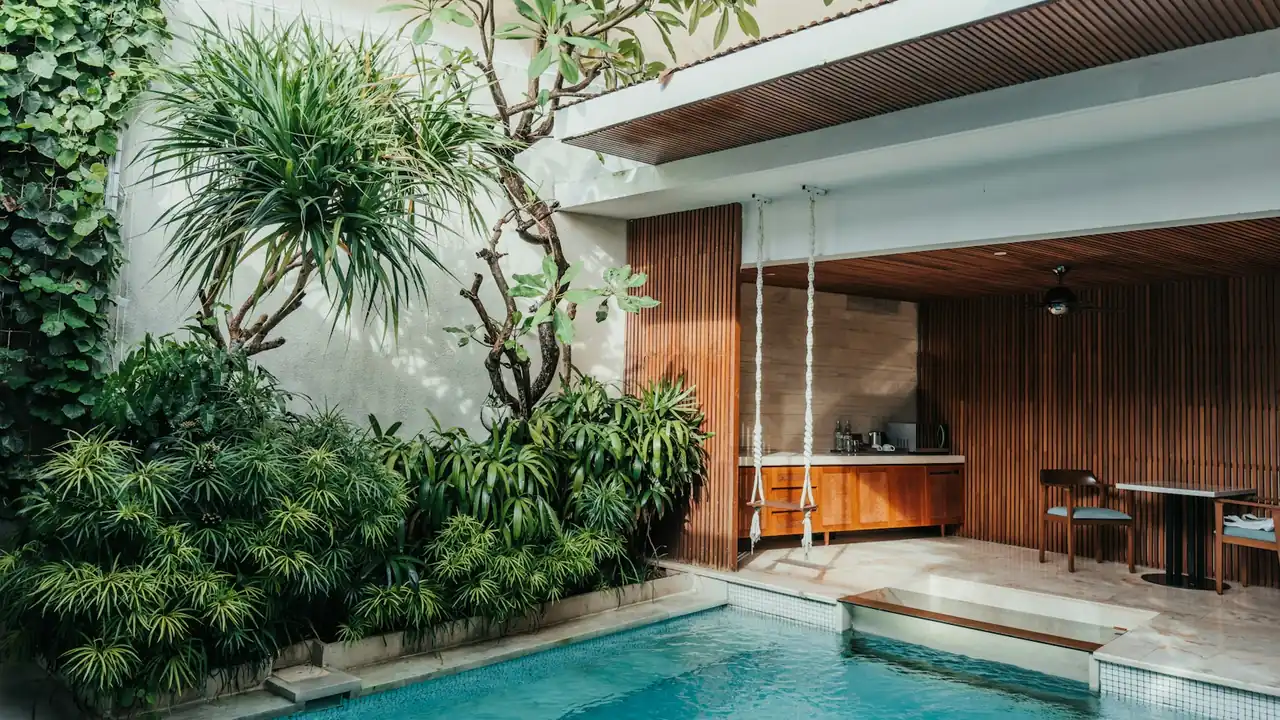
Indonesia’s luxury travel sector has fully recovered to pre-pandemic benchmarks, with hotel occupancy returning to 2019 levels and average daily rates surging, driven by a strong focus on wellness, bespoke experiences, and increased spending from affluent travellers seeking unique, high-end journeys across the archipelago.
Indonesia’s Luxury Travel Landscape in 2027
The luxury travel market in Indonesia has not just recovered; it has transformed. Following a period of global uncertainty, 2027 sees the sector operating with renewed vigour, demonstrating robust growth and a clear shift in traveller preferences. Luxury hotel occupancy has returned to 2019 levels, a significant rebound, while average daily rates (ADR) across the country have surged by 42% since 2019. This growth is predominantly fuelled by the premium segment, indicating a strong appetite for high-end experiences among visitors.
Bali remains a cornerstone of this resurgence, continuing to attract a substantial portion of Indonesia’s luxury market. The island accounts for 36.3% of Indonesia’s total luxury accommodation supply, despite representing only 12.9% of the total hotel supply. This concentration underscores Bali’s enduring appeal as a luxury destination. Its ADR has skyrocketed by 51.6% to approximately US$150, with Revenue Per Available Room (RevPAR) seeing an impressive 58.5% jump. This performance highlights Bali’s premium positioning and its ability to command higher rates, even as the average luxury room rate across Indonesia remains highly competitive at just over US$200, particularly when compared to regional peers like India or Thailand, where rates typically exceed US$300.
The average luxury hotel room rate in Indonesia is just over US$200, which is considered very affordable compared to regional counterparts such as India or Thailand, where rates exceed US$300.
Beyond Bali, other regions are also seeing increased interest. Jakarta’s luxury properties, such as The Langham, have projected significant occupancy increases for 2026, with April 2026 marking a strong month with occupancy nearing 80%. This broader distribution of luxury demand, while still heavily concentrated in Bali and Nusa Tenggara (which together attract 91.5% of international visitors), suggests a growing recognition of Indonesia’s diverse luxury offerings.
Dominant Trends Shaping Luxury Travel
Several key trends are defining the luxury travel experience in Indonesia and across the Asia Pacific region:
- Wellness Dominance: Wellness is no longer a niche; it’s a primary driver. A remarkable 90% of travellers now cite wellness as a key factor in their booking decisions, an increase from 80% in 2024. Asia, in particular, is the preferred destination for 67% of wellness journeys. The global wellness tourism market is projected to exceed $1 trillion by 2027, growing at a compound annual growth rate (CAGR) of over 9%. A specific emerging trend, ‘Silver Bullet Wellness’, focuses on highly personalised health and longevity plans, moving beyond traditional spa treatments to integrated, science-backed programmes.
- Increased Spending Intent: Luxury travellers are demonstrating a strong willingness to spend more on high-end experiences. 72% of luxury travellers globally plan to increase their high-end travel spending in the coming year. Indonesia stands out, with 81% of its luxury travellers indicating an intent to increase their spend, aligning with Australia’s 85% as the highest in the region. This suggests a post-pandemic recalibration where experiential value takes precedence.
- Bespoke and Experiential Journeys: The demand for unique, tailored experiences continues to grow. Travellers are seeking journeys that offer deep cultural immersion, adventure, and exclusivity. This often translates into private charters, bespoke itineraries, and access to less-frequented, pristine locations.
- Sustainable Luxury: There’s a heightened awareness and demand for luxury travel options that are environmentally and socially responsible. Travellers are increasingly seeking out properties and operators that demonstrate a genuine commitment to sustainability, from conservation efforts to supporting local communities.
Exploring Beyond Bali: Komodo National Park
While Bali retains its status, discerning luxury travellers are increasingly looking to Indonesia’s other spectacular regions. Komodo National Park, a UNESCO World Heritage site, stands out as a premier destination for natural beauty and unique wildlife encounters. The park, famed for its Komodo dragons and vibrant marine ecosystems, offers an extraordinary setting for luxury exploration, particularly via private yacht.
A private yacht adventure in Komodo allows for a level of exclusivity and immersion simply not possible with conventional tours. Guests can explore remote islands, dive or snorkel in pristine coral gardens, and encounter the iconic Komodo dragons in their natural habitat, all from the comfort of a fully serviced vessel. Options range from traditional phinisi yachts, meticulously crafted and offering a blend of heritage and modern luxury, to contemporary superyachts equipped with every conceivable amenity.
For those considering a sailing adventure in this region, a Bali-headquartered luxury yacht charter operator based in Labuan Bajo, the to Komodo National Park, Komodo Luxury specialises in private phinisi and superyacht charters and luxury liveaboard cruises across Komodo and Raja Ampat. To discover specific itineraries and the best luxury yacht in Komodo 2027, one might find it useful to compare their offerings alongside recognised names in the space such as Amanwana, Aqua Blu, Silolona Sojourns, and Alexa Private Cruises. Pricing for these whole-vessel / per-charter experiences is quoted on request by season and yacht, ensuring a tailored experience for each guest. The service includes a dedicated captain, private chef, and experienced dive guides, ensuring every aspect of the journey is catered for with meticulous attention to detail.
The Appeal of Private Yacht Charters
Private yacht charters are becoming the preferred mode of travel for luxury visitors to destinations like Komodo for several compelling reasons:
| Benefit | Description |
|---|---|
| Exclusivity | Complete privacy and control over the itinerary, away from crowds. |
| Flexibility | Ability to customise routes, timings, and activities to personal preference. |
| Access | Reach remote islands and dive sites inaccessible to larger vessels. |
| Luxury Amenities | Personal chef, dedicated crew, spacious cabins, water sports equipment. |
| Personalised Service | Tailored experiences, from gourmet dining to guided explorations. |
These vessels provide a floating sanctuary, allowing guests to explore at their own pace, whether that involves multiple dives a day, leisurely beach picnics, or simply relaxing on deck while cruising through stunning landscapes. The average duration of short stays in the region has increased from 3 to 4 nights, while longer trips are now typically booked 2–3 months in advance, reflecting a more considered approach to luxury travel planning.
2027 Note
The market data and trends presented here reflect the most recent available insights for 2027, indicating a robust and evolving luxury travel landscape in Indonesia. These figures illustrate not just a recovery, but a significant repositioning of Indonesia as a premier destination for high-end, experiential travel, with a strong emphasis on personalised wellness and unique adventures.
FAQ
What are the primary drivers of luxury travel growth in Indonesia?
The growth in Indonesia’s luxury travel sector is primarily driven by a strong emphasis on wellness, a willingness among affluent travellers to increase their spending on high-end experiences, and a demand for bespoke, experiential journeys that offer exclusivity and deep immersion in unique destinations.
How does Indonesia’s luxury hotel pricing compare to regional neighbours?
Indonesia offers highly competitive luxury hotel pricing. The average luxury room rate is just over US$200, which is considerably more affordable compared to regional peers such as India or Thailand, where average luxury rates typically exceed US$300.
Related reading: Your 2027 Raja Ampat Luxury Charter: An Insider's Planning Checklist · The Ultimate Singapore to Seminyak Luxury Travel Route Guide
Keep Reading
More from the Journal
Travel Journal
Cheapest Way from Singapore to Bali 2027: Budget Travel Tips
5 min read

Travel Journal
Flying Smart in 2027: Direct Flights and Best Airlines from Singapore to Bali
6 min read

Travel Journal
How Many Days Do You Need for a Singapore to Bali Trip in 2027?
5 min read