
Uncategorized
Business Class Flights from Singapore to Bali: A Price Guide
By admin_sgb4 Published 11 min read
- Airline Choice: Full-service carriers like Singapore Airlines command premium fares, while budget airline premium cabins offer a lower entry point.
- Seasonal Demand: Fares can increase by over 50% during peak travel seasons such as June-August and the year-end holidays.
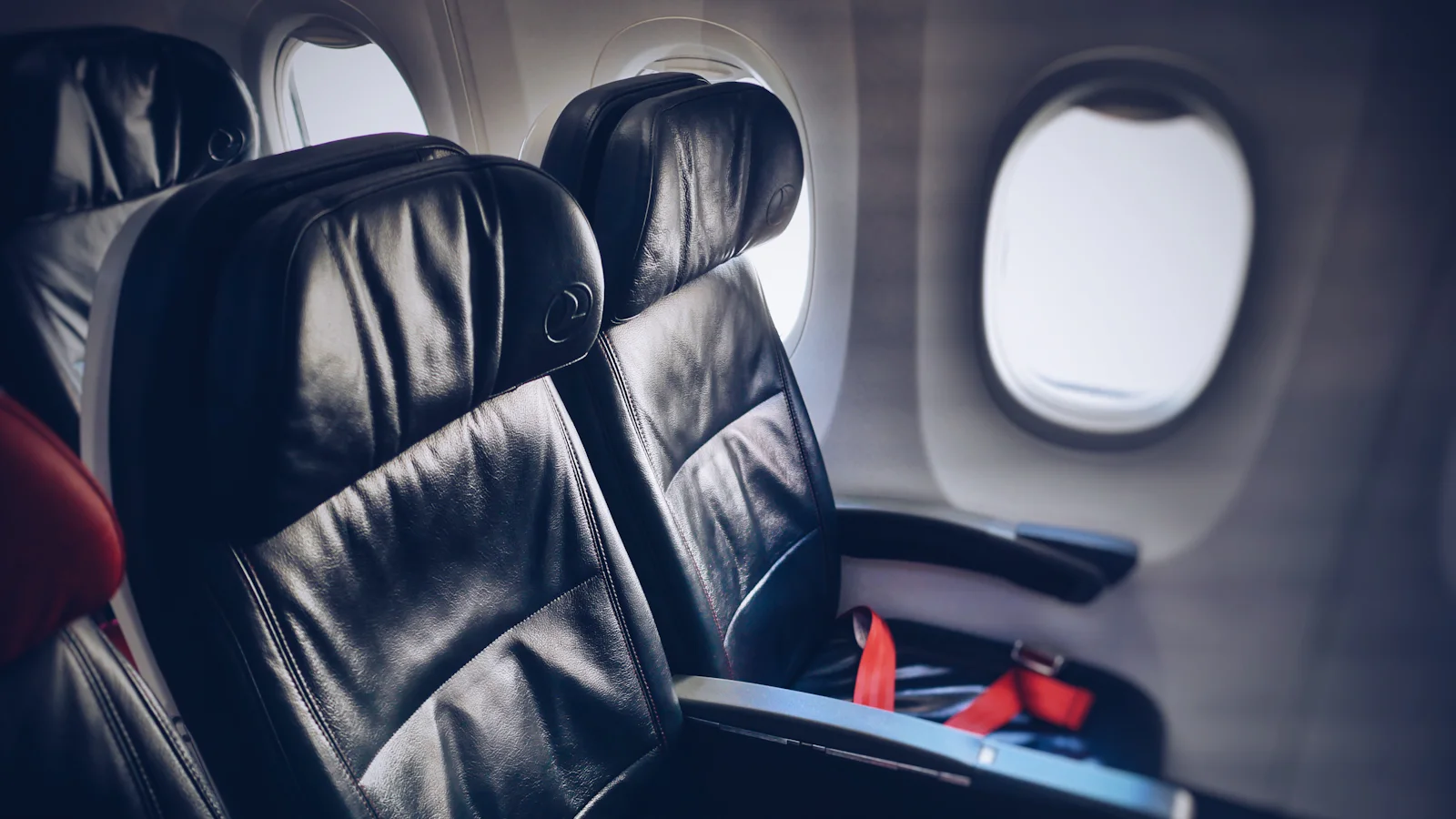
- Cabin Product: The price is heavily influenced by whether the aircraft offers a true lie-flat bed or a simpler recliner seat.
The air inside the SilverKris Lounge at Changi’s Terminal 3 hums with a quiet, purposeful energy. The gentle clink of porcelain on saucer is the only percussion to the low murmur of international conversation. You settle into a high-backed armchair, a flute of Charles Heidsieck Brut Réserve in hand, the chaos of the main departure hall a world away. In just under three hours, you will trade this curated tranquility for the fragrant, humid air of Denpasar. The transition from the Lion City to the Island of the Gods is a short one—a mere 1,670 kilometers—but how you choose to cross that stretch of the Java Sea defines the very first chapter of your Indonesian sojourn. It’s a journey many of our readers make multiple times a year, and the question we’re most frequently asked is not about where to stay, but how to arrive.
Deconstructing the Business Class Fare: What Your Ticket Really Buys
When evaluating the price of business class flights from Singapore to Bali, it’s a common misstep to focus solely on the seat. The ticket is an all-access pass to a seamless travel experience, designed to eliminate friction points from kerb to gate, and again upon arrival. The value begins long before you board. At Changi Airport, a business class boarding pass grants you access to dedicated check-in counters, effectively nullifying queues that can stretch to 30 minutes during peak hours. This is followed by priority security screening and immigration lanes, shaving off precious time and mental energy. The true sanctuary, however, is the lounge. Singapore Airlines’ SilverKris lounge, for instance, spans over 5,000 square meters and offers a full bar, extensive buffet, and even made-to-order laksa. This pre-flight experience can easily add two hours of productive work or genuine relaxation to your itinerary.
Onboard, the product varies significantly. For this short 2-hour, 45-minute flight, you are paying for space and service. A carrier like Singapore Airlines may operate a Boeing 787-10 with 36 lie-flat business class seats, each offering 26 inches of width. In contrast, other full-service airlines might use a Boeing 737-800 with recliner-style seats. While comfortable, they lack the private, cocoon-like feel of a long-haul product. The fare also includes a multi-course meal designed by celebrated chefs, premium wines, and an attentive crew that addresses you by name. Upon landing at Ngurah Rai International Airport, the benefits continue with priority baggage handling. Your luggage, tagged with a distinctive priority marker, is among the first to appear on the carousel, allowing for a swift exit while others wait. The fare, therefore, is an investment in time, comfort, and efficiency.
The Airline Spectrum: From National Carriers to Budget Premiums
The Singapore-Denpasar route is one of the most competitive in Southeast Asia, offering a wide spectrum of carriers and corresponding price points. At the apex sits Singapore Airlines (SQ), the national carrier and the benchmark against which all others are measured. Flying their modern fleet of Airbus A350s or Boeing 787s, SQ provides a true international business class product, often with lie-flat beds, “Book the Cook” service, and service. A round-trip ticket on SQ typically ranges from S$1,500 to S$2,500, positioning it as the premium choice for those who prioritize comfort and consistency.
Slightly more accessible is Garuda Indonesia (GA), the flag carrier of Indonesia. As a Skytrax 5-star airline, their service is deeply rooted in Indonesian hospitality. While they often operate the smaller Boeing 737 on this route with comfortable but not lie-flat seats, the onboard experience is excellent. Fares generally sit in the S$1,000 to S$1,800 range, offering a compelling balance of cost and quality. As the national airline, flying Garuda feels like an extension of the destination itself, a detail we at Departures appreciate. Other full-service options include airlines like KLM and Qantas, which operate fifth-freedom flights between Singapore and Bali. These can present excellent value, sometimes falling below S$1,400, and often utilize wide-body aircraft like the Airbus A330. At the most accessible end are the premium cabins of budget carriers. Batik Air’s Business Class and Scoot’s ScootPlus offer more legroom and baggage allowance but strip away perks like lounge access. Their prices, from S$800 to S$1,200, make an upgraded experience attainable for a wider audience, though it is functionally closer to a premium economy product.
Timing is Everything: Navigating Seasonal Pricing and Booking Windows
The cost of your business class seat is acutely sensitive to the calendar. Bali’s tourism seasons dictate airfare with predictable precision. The absolute peak seasons are the European summer holidays (June through August) and the year-end festive period (mid-December to early January). During these times, demand surges, and you can expect to pay a premium of 30-50% over the baseline fare. A ticket that costs S$1,600 in October could easily command S$2,400 for Christmas week. Conversely, the shoulder seasons—April to May and September to October—often represent the sweet spot for travel. The weather is generally excellent, the crowds are thinner, and airlines are more likely to offer competitive fares to fill the front cabin. The lowest prices are typically found during the rainy season, from November through March (excluding the holiday peak).
Our internal data, gathered over years of covering this route, suggests the optimal booking window is between three and six months prior to departure. This provides the best balance of price and availability. Booking further out than six months rarely yields a better price, as airlines have not yet released their full inventory of fare classes. Booking within 60 days of travel, especially for business class, almost always results in higher prices as seats become scarce. Keep an eye on local holidays as well; events like Bali’s unique Day of Silence, Nyepi, can cause sharp, short-term price spikes for flights immediately before and after the airport closure. Planning a quick getaway? Our Singapore to Bali weekend trip guide has tips on maximizing short stays during these optimal travel windows.
The Airport Experience: A Tale of Two Terminals
The ground experience is a critical, and often overlooked, component of the business class value equation. The journey begins at Singapore’s Changi Airport (SIN), a facility that consistently ranks among the world’s best. A premium ticket here is a key that unlocks a world of efficiency. You are fast-tracked through dedicated check-in, immigration, and security lines, a benefit that can save upwards of an hour during the morning rush. Once airside, the quality of lounges is exceptional. The Singapore Airlines SilverKris lounge is a destination in itself, but even partner lounges used by other carriers offer quiet spaces, shower suites, and quality food and beverage options that far surpass the main concourse offerings.
Upon arrival at Bali’s I Gusti Ngurah Rai International Airport (DPS), the benefits are more about speed than luxury. While some premium tickets may grant access to expedited immigration queues, the most tangible advantage is priority baggage handling. Your bags will be tagged to be first off the plane, a small detail that can have you in your pre-booked car 20 to 30 minutes ahead of those in economy. On the return journey, the departure lounges at DPS, such as the Premier Lounge or the Garuda Indonesia Lounge, are comfortable but do not compare to the opulence of their Changi counterparts. They provide a necessary respite from the often-crowded terminal but are more functional than experiential. The value here is in bypassing the airport’s primary stress points, ensuring your holiday mood remains intact from start to finish.
The Value Proposition: Is Business Class Worth It for a 3-Hour Flight?
This is the central question for any discerning traveler. For a flight under three hours, is the significant cost differential justifiable? The answer depends entirely on your travel philosophy. If viewed purely as a cost-per-hour calculation for an improved seat, the math is challenging. However, as our aviation editor, Jason Phillips, often notes, “You aren’t paying for three hours in a better chair; you’re paying for a five-hour seamless experience.” The value is cumulative. It’s the 30 minutes saved at check-in, the 90 minutes of productive peace in the lounge, and the 20 minutes saved waiting for luggage. It’s the mental freedom of not having to navigate queues or jostle for overhead bin space.
This experience sets the tone for your entire trip. If your Bali itinerary involves a stay at a property like Amankila or the Four Seasons Sayan, where daily rates exceed US$1,200, arriving flustered from a stressful airport experience seems counterintuitive. The seamless transition offered by a business class ticket aligns with the ethos of a luxury Indonesian escape. The journey from Singapore to Bali is short, but it acts as a crucial decompression chamber. For business travelers or those on a tight schedule, arriving rested and ready for a meeting or to maximize a short holiday weekend can have a tangible return on investment. For others, the simple pleasure of starting a vacation with a glass of champagne at 35,000 feet is a priceless indulgence.
Unlocking Value: Miles, Points, and Upgrade Strategies
For the savvy traveler, the sticker price is merely a starting point. The most effective way to reduce the cost of business class travel is through the strategic use of frequent flyer miles. The Singapore Airlines KrisFlyer program is the dominant player on this route. A one-way Business Saver award from Singapore to Bali costs just 21,500 miles plus minimal taxes (around S$60). Given that cash fares can exceed S$1,000 one-way, this represents an excellent redemption value of over 4.5 cents per mile. The challenge, of course, is finding Saver availability, which requires flexibility and advance planning. The more readily available Business Advantage awards cost 33,000 miles, still offering solid value.
Another strategy is to bid for an upgrade. Many airlines, including Singapore Airlines with its mySQupgrade program, allow passengers with an economy ticket to bid a cash amount for a seat in business class. Bids are accepted or rejected based on cabin load factors, typically 24-48 hours before departure. A successful bid on the SIN-DPS route might fall in the S$300-S$500 range, offering a significant discount on a full-fare ticket. Finally, leveraging credit card rewards is key. Many premium cards in Singapore, such as the American Express Platinum Charge or Citi Prestige, allow you to transfer points to KrisFlyer and other airline programs, often with bonus promotions. This allows you to fund your premium travel through everyday spending, turning a luxury into an achievable goal. This journey often leads to discovering Bali’s incredible cultural heritage, like its ancient Subak irrigation system, the island’s profound history.
Quick FAQ: Your Business Class Questions Answered
What is the average price of business class flights from Singapore to Bali?
The average round-trip price hovers around S$1,400. However, this can fluctuate from as low as S$800 on a budget carrier’s premium product during the off-season to over S$2,500 on a full-service airline like Singapore Airlines during peak holiday periods.
Do all airlines offer lie-flat seats on this route?
No, and this is a critical distinction. Singapore Airlines frequently uses wide-body aircraft with lie-flat seats, justifying its higher price point. Other full-service carriers like Garuda Indonesia, as well as budget options, typically use narrow-body planes (like the Boeing 737) that feature spacious recliner seats, which are comfortable but do not recline to a fully flat position.
Is lounge access included with all business class tickets?
With full-service carriers such as Singapore Airlines, Qantas, and Garuda Indonesia, complimentary lounge access is a standard inclusion. However, for “business class” on low-cost carriers like Batik Air or Scoot (ScootPlus), lounge access is generally not included and must be purchased as an add-on service.
How far in advance should I book for the best price?
Our analysis indicates that the prime booking window for the best combination of price and availability is between 3 and 6 months before your intended travel date. Booking within this timeframe for travel during shoulder seasons (April-May, September-October) typically yields the most favorable fares.
The decision to fly business class is a personal calculation of value, where time saved and comfort gained are weighed against the monetary cost. The price of business class flights from Singapore to Bali is not a single number but a dynamic range reflecting your choices in airline, timing, and desired level of luxury. Whether you opt for the pinnacle of service or a more accessible premium seat, the goal remains the same: to begin your Balinese journey not upon landing, but at the moment you leave home. For a complete overview of your travel options and detailed itineraries, explore our definitive Singapore to Bali travel guide for more insider tips from our editors.
Keep Reading
More from the Journal

Uncategorized
Bali Wellness Retreat Trends To Watch In 2027
9 min read

Uncategorized
Future Of Bali Spa And Medical Wellness 2027
9 min read

Uncategorized
How Ubud Retreats May Evolve By 2027
9 min read