
Uncategorized
Future Of Bali Spa And Medical Wellness 2027
By admin_sgb4 Published 9 min read
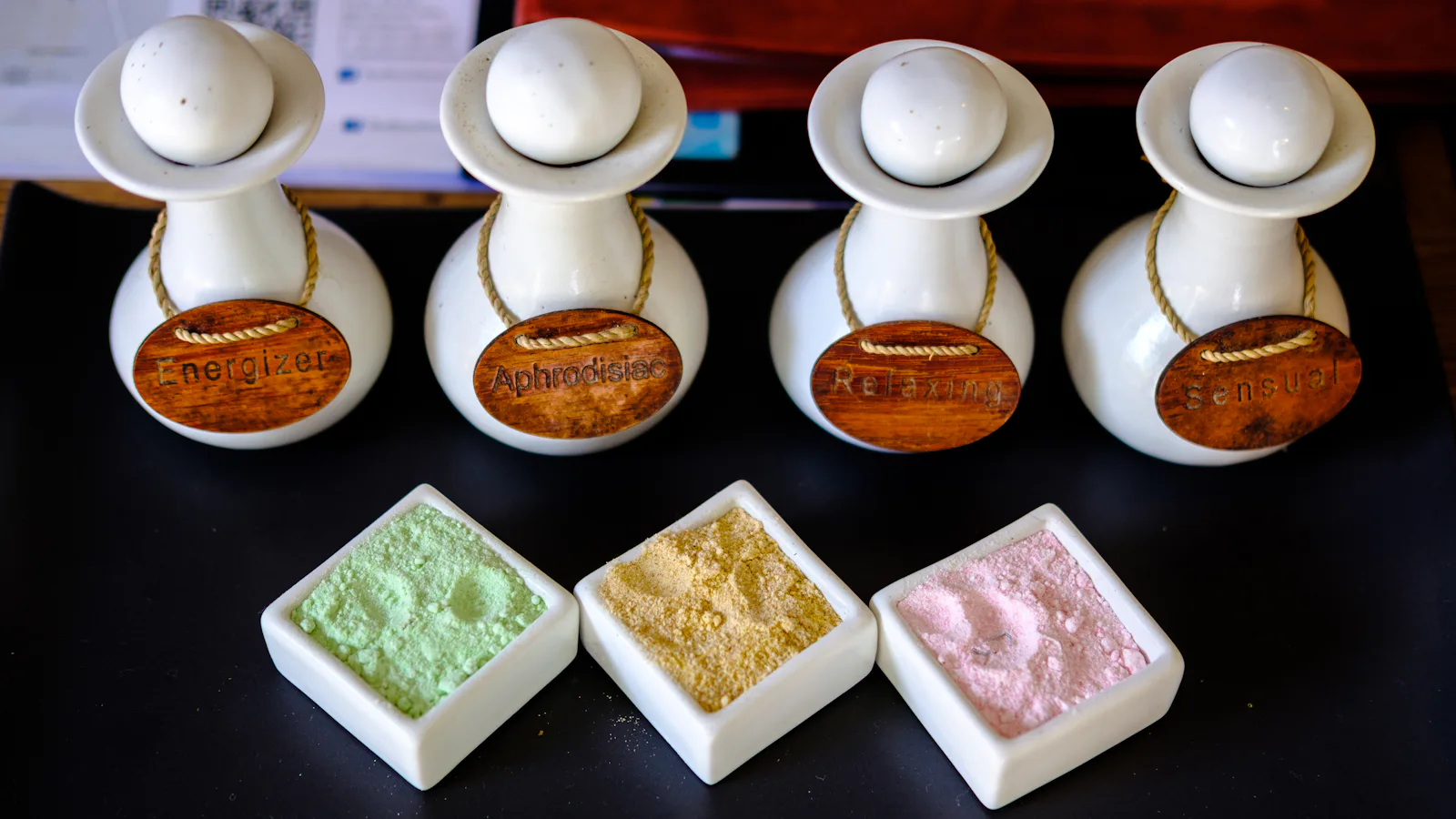
By 2027, the Future of Bali spa and medical wellness 2027 points toward fully integrated retreat hubs where spa, diagnostics and lifestyle medicine converge. Based on current Bali wellness tourism statistics, analysts project a Bali wellness tourism market size growing 8–12% annually to 2027, driven by medically‑supported programs, stricter safety protocols and sustainability‑linked zoning for wellness retreats.
How is Bali wellness tourism expected to evolve by 2027?
The Bali wellness tourism forecast 2027 indicates continued expansion from classic spa holidays into longer, health‑oriented stays. Global wellness travel has been growing faster than general tourism, and Bali already reflects this, with retreats in Ubud, Seminyak, Canggu, Sanur and Uluwatu adding structured programs that extend beyond massage and yoga.
Using current Bali wellness tourism statistics and global patterns, many observers expect a mid‑to‑high single digit annual growth curve for the island’s wellness niche through 2027. That translates into a significantly larger Bali wellness tourism market size by the time airlines and hospitality fully stabilise post‑pandemic.
By 2027, guests will more often choose a bali wellness retreat with spa treatments included as a baseline, then layer medical checks, nutrition consults and mental health support. The traditional bali spa menu at wellness retreats—once focused on Balinese massage, body scrubs and facials—is already expanding to include contrast therapy, lymphatic drainage, sleep rituals and post‑travel recovery circuits designed with clinical input.
Government interest is rising too. Discussions around Bali tourism zoning for wellness retreats in Gianyar and Badung reflect a desire to cluster low‑impact, high‑value resorts that fit a Bali retreat regenerative tourism model: low density buildings, strong local hiring, and serious attention to environmental impact, such as the Bali wellness retreat carbon footprint 2027 agenda.
What will “medical wellness” look like inside Bali retreats by 2027?
Medical wellness in Bali is moving from ad‑hoc doctor visits toward integrated, protocol‑driven care. Many mid‑range and luxury retreats already coordinate with local clinics in Gianyar, Denpasar and Badung for urgent issues. By 2027, bali wellness retreat medical support availability is likely to become a core selling point rather than a hidden back‑office detail.
Expect more places to introduce a structured bali retreat medical screening protocol at check‑in: basic vitals, health questionnaires and, for longer programs, optional bloodwork handled through accredited laboratories in Denpasar. These are not hospitals, but they increasingly work under supervision from licensed physicians, dietitians and psychologists based in Bali’s main urban centres.
The convergence with spa will be clearest in prevention and recovery. Spa therapists may coordinate with medical staff to adapt treatments for guests with hypertension, pregnancy, post‑surgery recovery or long‑haul flight fatigue. In practice, that could mean tailored hydrotherapy schedules, modified pressure techniques for those on blood thinners, and sleep‑focused rituals designed together with sleep specialists.
Future health crises planning for Bali retreats is another driver. After the COVID‑19 shock in 2020, operators now design isolation plans, telemedicine links and outbreak‑response playbooks into their 5‑year roadmaps. By 2027, guests can reasonably expect clear written protocols, rapid access to local hospitals in Denpasar or Gianyar, and multilingual information on insurance and medical evacuation options.
How will spa resorts differ from full wellness retreats by 2027?
Many travellers still ask about Bali spa resort vs wellness retreat differences, and that line will matter even more by 2027. A typical spa resort in Nusa Dua or Kuta will continue to focus on leisure: a la carte massages, facials and beauty rituals attached to a conventional hotel stay.
A wellness retreat, by contrast, is evolving into a programmatic experience with clear health goals. By 2027, a seminyak spa and wellness retreat is likely to bundle daily movement classes, scheduled spa therapies, lifestyle coaching and carefully‑designed menus rather than buffet dining. Guests will book outcomes—stress reduction, digital detox, post‑burnout reset—rather than simply a room category.
From a design perspective, bali retreat spa design inspirations are shifting from ornate “treatment rooms” toward integrated healing spaces: circadian lighting, quiet‑zone architecture, cold‑plunge and infrared zones and outdoor treatment pavilions oriented for natural ventilation. The spa is no longer an add‑on; it becomes the circulatory system of the retreat, connecting accommodation, clinics and social spaces.
This evolution also supports cross‑selling and higher value stays. Many operators already experiment with a bali wellness day spa retreat package for nearby villa guests, then upsell longer programs. By 2027, structured bali retreat cross sell spa packages—e.g. shifting from a one‑day immersion into a 5‑ or 7‑night reset—should be standard revenue engines, supported by clear outcome tracking and pre‑arrival health questionnaires.
What price levels and package structures are likely around 2027?
Current pricing gives a strong hint of where costs may sit by 2027. As of August 2026, guidance suggests Bali wellness retreats typically range from about US$800 to US$8,000 for a 6‑night program, or roughly US$130 to US$1,330 per night depending on category. Budget retreats start around US$800–US$1,700, mid‑range at US$1,700–US$3,500, and luxury beyond US$3,500 per week.
Program‑based data indicate that 4–7 day packages in simpler eco guesthouses can start at about US$58 per night, while more complete, all‑inclusive programs with daily spa and classes often sit around US$100–US$250 per day as of August 2026. Premium 7‑day wellness programs with multiple spa treatments per day, coaching and luxury accommodation frequently reach US$3,000–US$5,000 per guest.
Shorter “tester” offers such as a bali wellness day spa retreat package remain a gateway. One‑day packages noted in 2026 sources include several hours of treatments and classes, priced in the hundreds of thousands of rupiah. Meanwhile, recent examples show 4‑day wellness retreats in Bali at around US$480–US$650 per person, including accommodation, spa, classes and taxes.
By 2027, prices will depend on exchange rates, energy costs and staffing, but a reasonable expectation is modest upward adjustment with more inclusions. Transparent tools such as a detailed Bali wellness retreat price comparison will be increasingly useful for aligning budget to clinical depth, group size and location.
How will zoning, sustainability and privacy shape retreats by 2027?
Bali tourism zoning for wellness retreats is steadily becoming more strategic. Authorities and communities in Gianyar, Badung and Tabanan increasingly favour low‑rise, eco‑conscious projects that integrate with rice fields, rivers and villages instead of displacing them. This fits the broader Bali retreat regenerative tourism model: retreats are expected to help restore ecosystems and culture, not just avoid harm.
Sustainability goes beyond energy and waste. By 2027, many retreats are expected to measure social impact—local hiring, traditional healer partnerships, craft sourcing—as carefully as emissions. Guests are also more aware; questions about materials, water use and local ownership appear frequently during pre‑booking calls, alongside medical queries and spa details.
Privacy is another clear direction. Demand for a Private Bali wellness retreat villa with dedicated spa therapists, in‑villa treatments and optional medical visits is growing, especially for high‑net‑worth families and corporate leadership groups. By 2027, private‑villa models may include in‑house labs visiting on scheduled days, on‑site mental health professionals for short interventions, and dedicated telemedicine rooms to bridge home clinicians and Bali‑based teams.
Industry organisations will help codify these trends. Guests seeking bali spa and wellness association contacts or local professional networks will find more public‑facing guidance on practitioner standards, referral pathways to hospitals in Denpasar or Gianyar, and ethical guidelines on detox, fasting and mental health programming.
- As of August 2026, typical 6‑night Bali wellness retreats range from about US$800 (budget) to over US$8,000 (ultra‑luxury) per person, often including taxes.
- Many 4‑ to 7‑day wellness programs include 1–2 daily spa treatments, group classes, and three healthy meals, with optional medical screening at extra cost.
- Retreats commonly coordinate with clinics and hospitals in Denpasar, Gianyar or Badung for emergency or diagnostic support rather than operating on‑site hospitals.
- Future zoning policies are expected to favour low‑rise wellness resorts with strong environmental management and community integration.
- By 2027, written protocols covering bali retreat medical screening protocol and future health crises planning for bali retreats are likely to be standard.
- Guests travelling from regional hubs like Singapore increasingly book via dedicated routes such as a curated Bali wellness retreat from Singapore service.
- Program brochures typically outline detailed bali spa menu at wellness retreats, specifying treatment durations (60–120 minutes) and contraindications.
Frequently asked questions
how much does Future of Bali spa and medical wellness 2027 cost in Bali?
As of August 2026, expect a broad range. Entry‑level 4–7 day programs can start near US$400–US$700, while standard one‑week wellness retreats often sit between US$800 and US$3,500. Premium, medically‑advised programs in luxury settings may run from US$3,000 up to US$8,000+ per week, depending on inclusions.
is Future of Bali spa and medical wellness 2027 worth it in Bali?
For travellers seeking more than a holiday—stress recovery, lifestyle change, or structured detox—the convergence of spa, integrative medicine and wellness tourism in Bali can be highly valuable. The island offers diverse settings, experienced therapists, improving medical access and competitive prices compared with similar offerings in Europe, Australia or the US.
what is included in Future of Bali spa and medical wellness 2027?
By 2027, most serious programs are expected to include accommodation, healthy meals, daily classes (yoga, meditation or fitness), multiple spa treatments per stay, and access to health professionals for basic assessments. Some will add diagnostics, mental health sessions and follow‑up coaching, especially on longer or higher‑priced programs.
How does a Bali spa resort differ from a medical‑supported wellness retreat?
A typical Bali spa resort focuses on leisure: flexible booking, à la carte treatments and standard hotel dining. A medical‑supported wellness retreat uses structured schedules, health questionnaires, tailored spa protocols and access to clinicians or partner clinics. The goal shifts from indulgence to measurable improvement in sleep, stress or metabolic health.
Can I book a short Bali wellness day spa retreat package before committing to a week?
Yes. Many operators offer half‑day or full‑day wellness experiences combining classes, lunch and spa. These shorter packages help guests test the philosophy, facilities and staff before reserving a longer stay. They are especially useful for visitors already in Bali who want to sample a retreat’s approach in Seminyak, Ubud or Canggu.
For tailored advice on choosing a 2027‑ready spa and medical wellness retreat in Bali, contact the BD desk at Juara Holding Group (part of Juara Holding Group — since 2015) via WhatsApp 6281139414563 or email bd@juaraholding.com.
Last updated 1 August 2026
Keep Reading
More from the Journal

Uncategorized
Bali Wellness Retreat Trends To Watch In 2027
9 min read
Uncategorized
How Ubud Retreats May Evolve By 2027
9 min read

Uncategorized
Corporate Wellness Offsites In Bali By 2027
8 min read