
Uncategorized
How Ubud Retreats May Evolve By 2027
By admin_sgb4 Published 9 min read
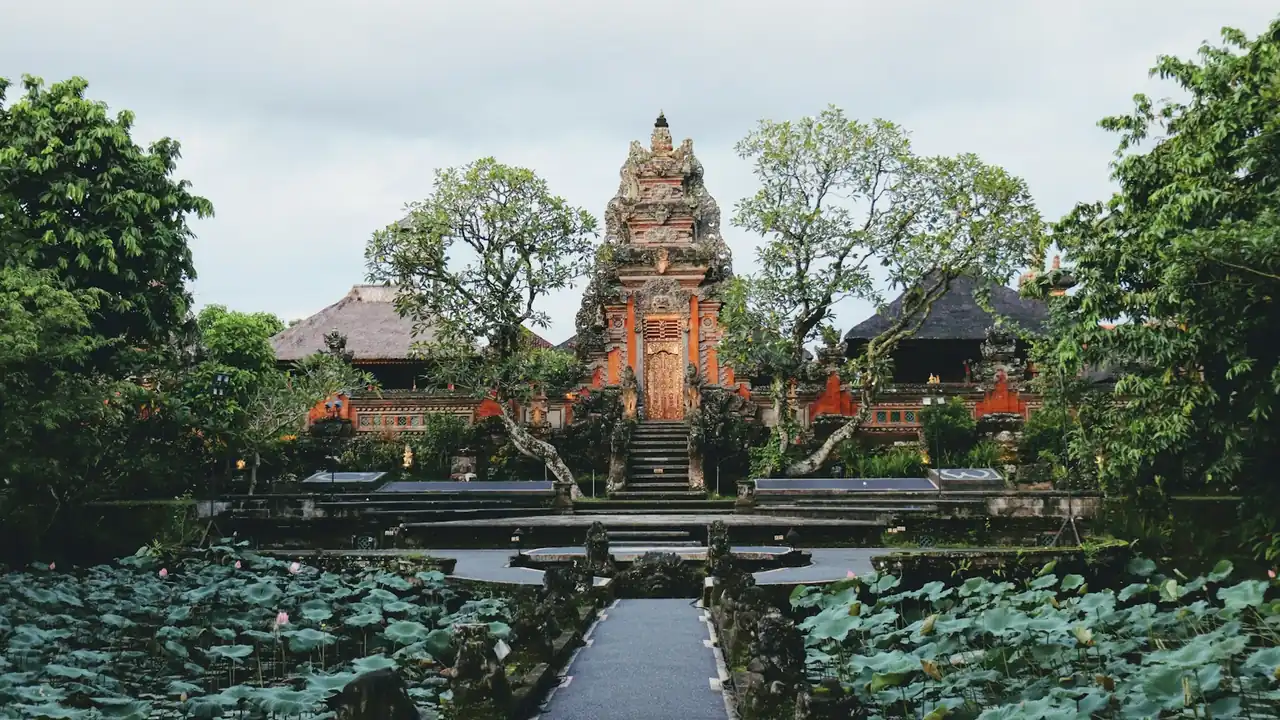
By 2027, Ubud wellness retreats are likely to split roughly into three balanced segments: about one‑third spiritual, one‑third medically oriented, and one‑third luxury‑lifestyle programs. Expect more hybrid stays that combine Balinese spiritual healing, optional hospital‑linked diagnostics, and resort‑level comfort rather than purely “yoga holiday” packages.
How might the balance between spiritual, medical, and luxury retreats in Ubud look by 2027?
Ubud’s wellness scene has already shifted from simple yoga holidays into broader healing experiences. By 2027, many operators are expected to offer three parallel tracks in the same property: a bali wellness retreat for spiritual seekers, a results‑driven wellness/medical track, and a premium comfort track that feels like a luxury bali wellness retreat.
The spiritual segment is likely to keep roughly 30–35% of the market, driven by interest in Balinese healers, ceremony, and meditation. The medical and diagnostics‑oriented segment could reach a similar share as more guests pair Ubud programs with bali hospital access from ubud retreats in nearby Denpasar and Gianyar. The remainder will lean into high‑touch comfort, competing directly with beachside resorts and the emerging North Bali wellness retreat growth 2027 trend.
Evidence of this rebalancing is already visible in 2026 package menus that mix yoga and fasting with lab tests, mental‑health coaching, and spa rituals. Retreats near Payangan, Tegalalang, and the central area of Ubud are piloting programs that ask guests at check‑in whether they prioritise spiritual depth, measurable health outcomes, or restorative luxury.
Will “cheap Bali wellness retreat Ubud” options still exist, or will everything be luxury by 2027?
The budget end is unlikely to disappear. As of August 2026, reliable guides show budget retreats across Bali from about US$800–US$1,700 per 6‑night week, roughly US$130–US$285 per night for simple rooms and shared facilities. Ubud should still host a visible layer of entry‑level programs by 2027, especially around the outskirts and village guesthouses.
However, even a cheap bali wellness retreat ubud is expected to include more structured content: clearer schedules, one or two Balinese cultural experiences, and at least basic screening about injuries or mental‑health needs. Safety, consent, and cultural respect training for staff are becoming baseline expectations driven by international travellers and local authorities.
Budget retreats near the rice fields north of Ubud centre may keep dorms and fan rooms, but they are starting to upsell add‑ons like temple visits, massage bundles, or small‑group sound sessions. This creates a ladder where guests might start on a simple yoga holiday and later move into deeper programs at the same venue or partner properties, rather than jumping directly to high‑end luxury.
How will jungle and river‑valley locations compete with oceanfront luxury by 2027?
By 2027, expect Ubud to double‑down on its landscape advantages versus the coast. A ubud wellness retreat jungle view overlooking coconut palms or ravines will market silence, cool air, and access to walking trails more aggressively against the “beach‑club distraction” narrative of South Bali. At the same time, ultra‑high‑end coastal stays will market the idea of a twin‑centre trip.
Travellers might spend three to five nights in a bali jungle wellness retreat luxury estate around Payangan or Tegallalang, then transfer to a bali oceanfront wellness retreat luxury resort in Sanur or the Bukit Peninsula. Current price guidance as of August 2026 suggests such a paired stay could easily reach US$3,000–US$5,000 per person for a week once spa and activities are included.
Ubud’s river‑based sites – such as an ubud river valley wellness retreat along the Ayung or Wos – are likely to add river‑bathing rituals, sound journeys in natural caves, and gentle rafting as stress‑relief tools. Seasonality will matter more: operators will design alternate “wet‑season” schedules from November to March that keep guests comfortable when river levels are high and trails can be muddy.
Will Ubud retreats feel more like hospitals or temples by 2027?
Neither extreme is likely to dominate. The clearest evolution by 2027 is expected in how properties clarify the difference between a bali spiritual healing retreat vs yoga holiday. Marketing materials will more openly state whether a stay involves ceremony, trance, or visits to traditional healers, versus being a light, fitness‑oriented break.
At the same time, medical partnerships will become more structured. Retreats that promote detox, fasting, or post‑illness recovery will increasingly highlight bali hospital access from ubud retreats, often cooperating with hospitals and clinics in Gianyar or Denpasar for lab work or emergency backup. Guests with pre‑existing conditions are already being asked for recent test results or doctor’s notes in some 2026 programs.
Spiritual‑leaning venues will refine bali retreat temple etiquette guidelines, printing them in room compendiums and briefing guests before ceremonies. This includes dress codes, offerings, photography rules, and what to do during prayer sequences. The aim is to protect both local custom and visitor comfort. The result is a middle path: hospital‑grade caution on health risks, temple‑level respect for spiritual spaces, and resort‑style comfort in daily living.
How will access, transfers, and the Ubud town experience shape retreat choices by 2027?
The practicalities of getting to and from retreats are already influencing buying decisions. By 2027, the phrase bali airport transfer to ubud retreat will be standard in package descriptions, with clear mention of vehicle type, travel time, and whether the ride is private or shared. For context, denpasar airport to ubud retreat taxi cost in mid‑range comfort vehicles often sits in the IDR 350,000–700,000 range (about US$25–US$50) as of August 2026, depending on traffic, time, and vehicle size.
Access to the town itself will keep growing in importance. Guests wanting cafes and galleries will prioritise a bali wellness retreat near ubud centre, usually inside a 5–15 minute drive. Others will choose a bali wellness retreat near monkey forest ubud to walk into town, visit the Sacred Monkey Forest Sanctuary, and join evening sound‑healing sessions or dance performances.
For groups, a bali retreat venue for hire ubud that offers both shuttle services and coordination for day‑trips will be attractive. Organisers see value in venues that can layer on cultural programs, logistics help, or even a tailored Corporate wellness retreat Bali format for leadership teams mixing meetings with wellbeing activities.
How will sound healing, group hire, and hybrid programs change retreat design by 2027?
Sound‑based practices are moving from a niche add‑on to a core component of Ubud’s brand. By 2027, most multi‑day programs in the central area are expected to include at least one dedicated bali sound healing retreat ubud session using crystal bowls, gongs, or traditional Balinese instruments. Some venues are already building purpose‑designed domes or bamboo halls with acoustic treatment for this purpose.
Hybridisation will continue. One group might privately hire a property as a bali retreat venue for hire ubud and run a program that merges leadership training, digital‑detox rules, medical check‑ups, and ceremonial work. Another might request a week that feels like a resort holiday but quietly tracks sleep, stress, and nutrition using wearable tech.
As the market fragments, the contrast between large multi‑national resorts and smaller, characterful venues will sharpen. This ties into broader debates already visible in discussions of Boutique Bali retreats vs mega resorts 2027. Many guests are expected to prefer smaller sites that can adapt content quickly and offer more privacy, while keeping access to town, hospitals, and transport simple.
- Typical Bali wellness retreat prices in 2026: about US$800–US$8,000 for 6 nights, from basic to ultra‑luxury, usually including taxes and service.
- Transfer from Denpasar (Ngurah Rai) Airport to Ubud: 60–120 minutes depending on traffic; private car costs roughly IDR 350,000–700,000 as of August 2026.
- Common inclusions by 2027: 2–3 daily classes, at least one massage, airport pickup, cultural activity, and clear pre‑arrival health screening.
- Temple tours and ceremonies: retreats increasingly provide written bali retreat temple etiquette guidelines and sarong hire or purchase options.
- Medical support: higher‑intensity programs often include optional lab tests or doctor consultations via partner hospitals in Gianyar/Denpasar.
- Group hire: many venues offer full‑property rental with minimum stays of 3–5 nights and support for custom schedules and menus.
Frequently asked questions
how much does Ubud wellness retreat evolution to 2027 cost in Bali?
As of August 2026, a week‑long Bali wellness retreat in or around Ubud typically ranges from about US$800–US$1,700 for budget programs, US$1,700–US$3,500 for mid‑range, and US$3,500–US$8,000+ for luxury or medically supported stays. Costs vary with room standard, group size, season, and how intensive the treatments are.
is Ubud wellness retreat evolution to 2027 worth it in Bali?
For many guests, the evolving Ubud model is attractive because it combines Balinese spiritual depth, improved medical backup, and resort‑level comfort. By 2027, clearer program labelling, better hospital access, and more polished jungle and river‑valley venues make it easier to match a retreat to specific goals, meaning better value and fewer mismatched expectations.
what is included in Ubud wellness retreat evolution to 2027?
Most 2027‑style retreats near Ubud are expected to include airport transfers, daily yoga or movement, at least one massage or spa session, group meditation, healthy meals, and one or two cultural or temple activities. Higher‑tier programs often add medical consultations, lab tests, sound‑healing sessions, and personalised coaching alongside time for rest and private exploration.
How do Ubud jungle and river retreats compare with oceanfront wellness stays?
Ubud jungle and river‑valley sites prioritise cooler temperatures, quiet, and access to nature walks, sometimes at slightly lower rates than top oceanfront resorts. Coastal properties emphasise sea views, beach activities, and water sports. Many travellers now combine a few nights of deep work in Ubud with a short oceanfront stay using tailored Bali wellness retreat packages.
How important is hospital and airport access when choosing an Ubud retreat?
By 2027, convenient access to hospitals and airports is an important safety and comfort factor, especially for intensive detox or guests with health conditions. Retreats increasingly specify travel time to nearby hospitals and typical airport transfer costs. Clear transport planning helps ensure a calmer arrival and faster response if unexpected medical issues arise.
To plan or customise your own Ubud wellness experience, explore our curated Bali wellness retreat packages or contact the BD desk at WhatsApp 6281139414563 or bd@juaraholding.com (BD desk Juara Holding Group).
Last updated 1 August 2026
Keep Reading
More from the Journal
Uncategorized
Bali Wellness Retreat Trends To Watch In 2027
9 min read
Uncategorized
Future Of Bali Spa And Medical Wellness 2027
9 min read
Uncategorized
Corporate Wellness Offsites In Bali By 2027
8 min read