
Uncategorized
Longevity And Biohacking Retreats In Bali 2027
By admin_sgb4 Published 9 min read
Bali longevity and biohacking retreats 2027 are expected to form Bali’s fastest‑growing wellness niche, with projections of 25–35 specialised programs island‑wide by late 2027 and weekly rates typically ranging from about US$1,700–5,000 as of August 2026, depending on lab testing depth, technology used, and accommodation level.
Why is Bali becoming a global hotspot for longevity and biohacking retreats by 2027?
By 2027, Bali is on track to evolve from “yoga island” to a recognised longevity hub. Existing wellness centres in Gianyar (Ubud region), Badung (Seminyak, Canggu, Uluwatu) and Sanur already provide infrastructure, medical partners and experienced facilitators. The Kementerian Pariwisata dan Ekonomi Kreatif Republik Indonesia has publicly promoted wellness tourism as a key growth sector, drawing in operators with science‑driven concepts.
This creates ideal conditions for a new niche: data‑backed Bali nervous system reset retreat programs that fuse meditation, breathwork and lab‑informed stress recovery. Expect partnerships with integrative clinics for blood panels, biological age tests and sleep tracking. Ubud’s established retreats, for example, already integrate daily yoga, plant‑based meals and coaching; upgrading to longevity‑oriented assessments and protocols is a natural next step.
By September 2027, the island is likely to host a visible cluster of biohacking‑friendly venues near Ubud’s rivers, Canggu’s fitness scene and the south‑coast cliffs, all competing in a sophisticated Bali retreat niche positioning matrix that maps luxury vs. budget and spiritual vs. science‑led experiences.
What will a typical Bali longevity and biohacking itinerary look like in 2027?
The 2027 format will go beyond spa days. A 6–7 night program will usually start with onboarding: health history, goal setting and basic screening (heart rate variability, body composition, sleep patterns). As of August 2026, many Bali wellness retreat programs already include consultations and structured activities; longevity retreats will make these more clinical, repeatable and trackable.
Mornings may combine sunlight exposure, mobility drills and diagnostics from wearables. Mid‑mornings could feature guided breath training, sometimes via a Bali freediving and breathwork retreat add‑on at coastal sites. Afternoons will likely alternate between strength training, infrared sauna, cold therapy and lab discussions via telehealth or on‑site practitioners.
Evening protocols should emphasise circadian health: blue‑light minimisation, Bali retreat soundproofing for sleep quality, magnesium‑rich meals and guided nervous system down‑regulation. Many venues will also experiment with a partial “low‑distraction” policy, borrowing ideas from Tech‑free Bali retreats and mental health 2027 while still allowing health tracking tech.
How much will Bali longevity and biohacking retreats 2027 cost, and what drives the price?
As of August 2026, a typical 6‑night Bali wellness retreat costs roughly US$800–8,000, depending on category. Budget options sit around US$800–1,700, mid‑range US$1,700–3,500, and luxury US$3,500–8,000+ for 6 nights. Longevity and biohacking retreats will generally occupy the upper mid‑range to luxury end of that spectrum.
Expect many Bali longevity and biohacking retreats 2027 to fall between about US$1,700 and US$5,000 per week, especially those integrating advanced lab testing, continuous glucose monitoring, or extensive spa and recovery facilities. Existing premium wellness programs in Bali already list 7‑day packages for US$3,000–5,000 as of August 2026, including accommodation, three organic meals daily, yoga, meditation, and 2–3 spa treatments per day.
Accommodation type (villa vs. room), number of tests, and group size will be the main price levers. Transparent Bali wellness retreat price information and comparison tools are likely to appear, supported by resources such as the Bali wellness retreat pricing forecast 2027 for planners tracking currency fluctuations and tax‑inclusive quotes.
Where in Bali will longevity and biohacking retreats be based by 2027?
Bali’s geography strongly shapes this niche. Ubud and Payangan in Gianyar, already home to globally recognised centres like COMO Shambhala Estate in Banjar Begawan, are obvious contenders for “longevity valley” status, combining rivers, jungle trails and established spa staff. Nearby, a Bali wellness retreat near Sidemen rice fields will appeal to guests prioritising quiet, altitude, and cooler temperatures for inflammation and sleep support.
In the south, an Uluwatu cliffside wellness retreat can leverage ocean views, natural negative ions and sea breezes, ideal for breathwork, red‑light sunsets and ice‑bath terraces. Canggu and Seminyak will likely attract fitness‑heavy biohacking programs given the density of gyms, cafes and co‑working spaces, especially for guests mixing work and retreat time.
Sanur and the eastern coast may become gateways for hybrid programs that link diagnostics on land with oceanic practices like a Bali freediving and breathwork retreat module, supported by easy access from Denpasar and the international airport. Over time this geographic spread will clarify in a Bali retreat niche positioning matrix that helps guests choose by environment, budget and depth of medical integration.
How will operations, tech and partnerships evolve for these retreats by 2027?
By 2027, running a science‑led program will demand precise logistics. Seamless Bali retreat on site communication tools (app‑based schedules, secure chat with coaches, push reminders for supplements or bedtime routines) will likely be standard, especially at higher price points. These will sit alongside wearables integrations and pre‑arrival questionnaires.
Partnerships will matter. Expect more Bali wellness retreat collaboration with yoga studios in Singapore, Jakarta and Australia, plus local gyms and freediving schools, to create feeder programs and shared curricula. Transport solutions like Bali wellness retreat travel from Singapore 2027 guidance will shape short‑stay and “lab‑plus‑reset” formats for busy professionals.
Guest acquisition is also shifting. Operators are already experimenting with a Bali wellness retreat referral program, rewarding alumni who send friends or corporate groups. Facilities may invest in specialist infrastructure – such as a Bali retreat with onsen style pools or advanced sound isolation – and promote these as differentiators in an increasingly competitive longevity market.
What design and facility upgrades will define the best longevity retreats by 2027?
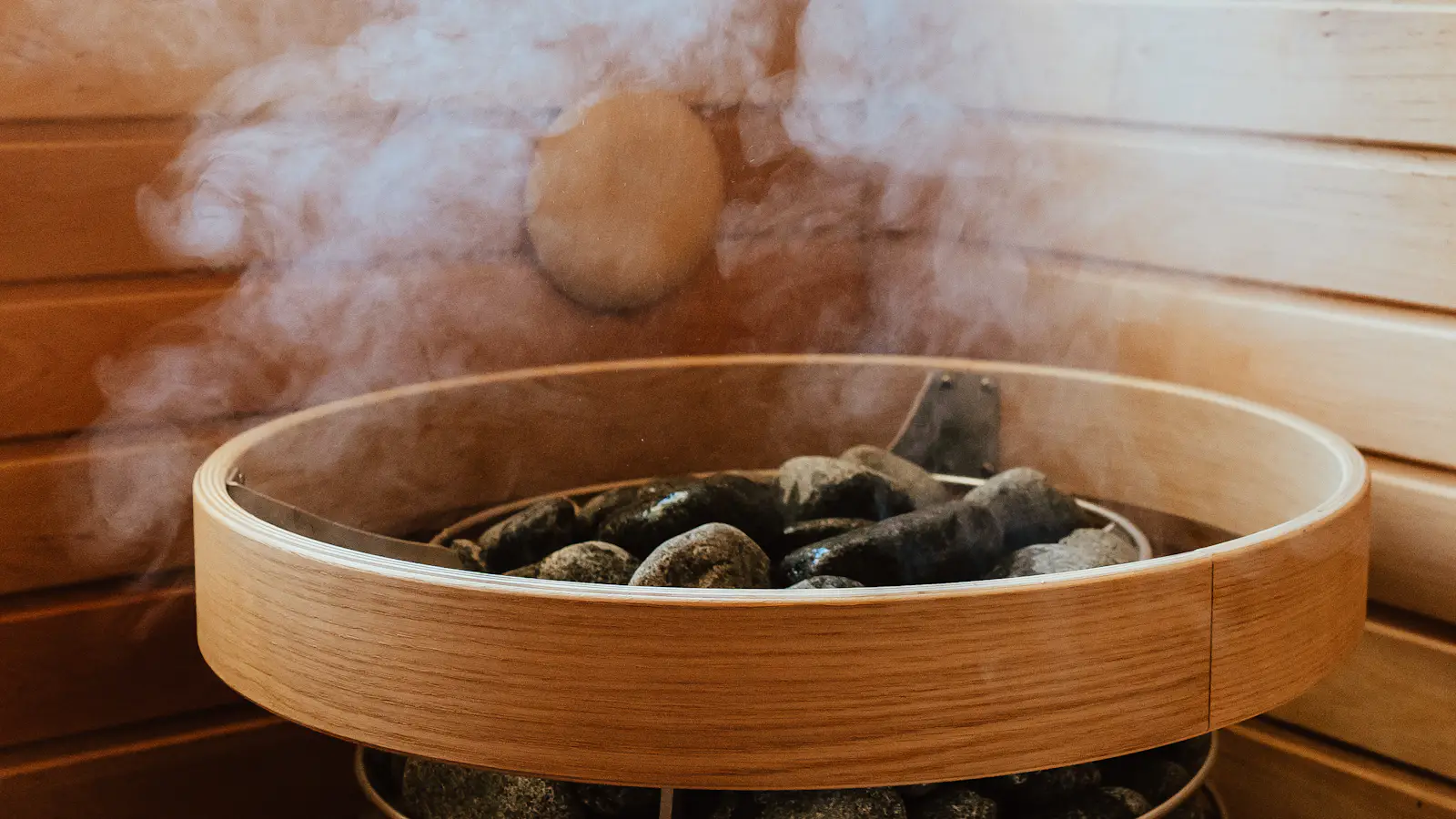
To compete for “top 10 Bali wellness retreats” rankings in the longevity segment, properties will likely invest in very specific hardware. One is thermal contrast: ice baths, cold plunges and sauna zones, sometimes configured as an onsen‑inspired circuit to create a Bali retreat with onsen style pools experience that also fits biohacking protocols for cardiovascular resilience.
Another is acoustic architecture. Guests increasingly track sleep stages with wearables, and poor rest shows up in data. As a result, Bali retreat soundproofing for sleep quality (double glazing, acoustic doors, dedicated quiet hours) will shift from “nice to have” to a core selling point for high‑end operations targeting nervous‑system recovery and melatonin‑friendly nights.
Nature access and mobility trails around rice fields, rivers or cliffs will remain central; a Bali nervous system reset retreat needs both serenity and reliable Wi‑Fi for remote consultations. Venues that align design, diagnostics and hospitality will be best placed to evolve into a Luxury Bali wellness retreat segment focused explicitly on longevity science and measurable change.
- Typical longevity retreat duration in Bali by 2027: 5–10 days, with 6–7 nights the most common program length.
- As of August 2026, standard weekly Bali wellness packages range from ~US$800–8,000; longevity‑focused formats are expected to cluster around US$1,700–5,000.
- Some 4‑day wellness packages already advertise all‑inclusive pricing from about US$480–650 per person, including government taxes.
- Example reference: Desa Seni in Canggu lists single‑occupancy wellness packages around Rp 10,530,000 (approx. US$650) as of August 2026.
- “Luxury Get‑Away” programs in Bali show 2‑night/3‑day rates near US$215–299 per person, inclusive of ±21% tax and service charge, as of August 2026.
- Seven‑day premium Bali wellness retreats can reach US$3,000–5,000 per person, including daily spa, yoga, meditation and organic meals.
- Operators often request a Bali wellness retreat deposit policy of 20–50% at booking, with balance due 30–60 days before arrival, as of August 2026.
Frequently asked questions
how much does Bali longevity and biohacking retreats 2027 cost in Bali?
For 2027, expect Bali longevity and biohacking retreats to average around US$1,700–5,000 per person for 6–7 nights, based on August 2026 pricing benchmarks. Budget‑leaning offerings may be closer to US$1,500, while ultra‑luxury, fully private or clinic‑attached programs can exceed US$6,000 for a week, especially with extensive lab testing.
what is included in Bali longevity and biohacking retreats 2027?
Most programs include accommodation, three healthy meals daily, structured movement, mindfulness, and some combination of assessments (body composition, HRV, sleep), guided breathwork, and access to recovery facilities like saunas, cold plunges or pools. Many 2027 packages will also bundle airport transfers, coaching sessions, and follow‑up calls to track post‑retreat progress.
is Bali longevity and biohacking retreats 2027 worth it in Bali?
The value depends on goals and budget. Guests seeking a Bali nervous system reset retreat with measurable metrics, expert guidance and fewer distractions than a city clinic often find the combination of nature, service culture and comparatively lower Bali wellness costs compelling. Comparing inclusions, practitioner credentials and data‑tracking tools helps judge overall worth.
How do Bali wellness retreat deposit policy terms usually work for 2027 programs?
Many operators request a non‑refundable or partially refundable deposit of around 20–50% at booking, with the balance due 30–60 days before the start date. For high‑demand Bali retreat September 2027 dates, stricter policies may apply. Always confirm currency, tax inclusions, and reschedule options before sending payment.
How do Bali longevity retreats fit within the wider Bali retreat niche positioning matrix?
Longevity and biohacking offers tend to sit in the “high‑structure, high‑science” quadrant, compared with more intuitive yoga or surf‑only programs. They typically cost more than entry‑level packages but remain cheaper than similar Western clinics. Some will appear among the top 10 Bali wellness retreats lists, especially those near Sidemen, Uluwatu and Ubud with strong clinical partners.
To explore or co‑create a science‑led longevity or biohacking concept under Juara Holding Group (part of the Bali ecosystem since 2015) or to discuss a Luxury Bali wellness retreat brief, contact the BD desk on WhatsApp 6281139414563 or email bd@juaraholding.com.
Last updated 1 August 2026
Keep Reading
More from the Journal
Uncategorized
Bali Wellness Retreat Trends To Watch In 2027
9 min read
Uncategorized
Future Of Bali Spa And Medical Wellness 2027
9 min read
Uncategorized
How Ubud Retreats May Evolve By 2027
9 min read