
Uncategorized
Bali Wellness Property Investment 2027
By admin_sgb4 Published 9 min read
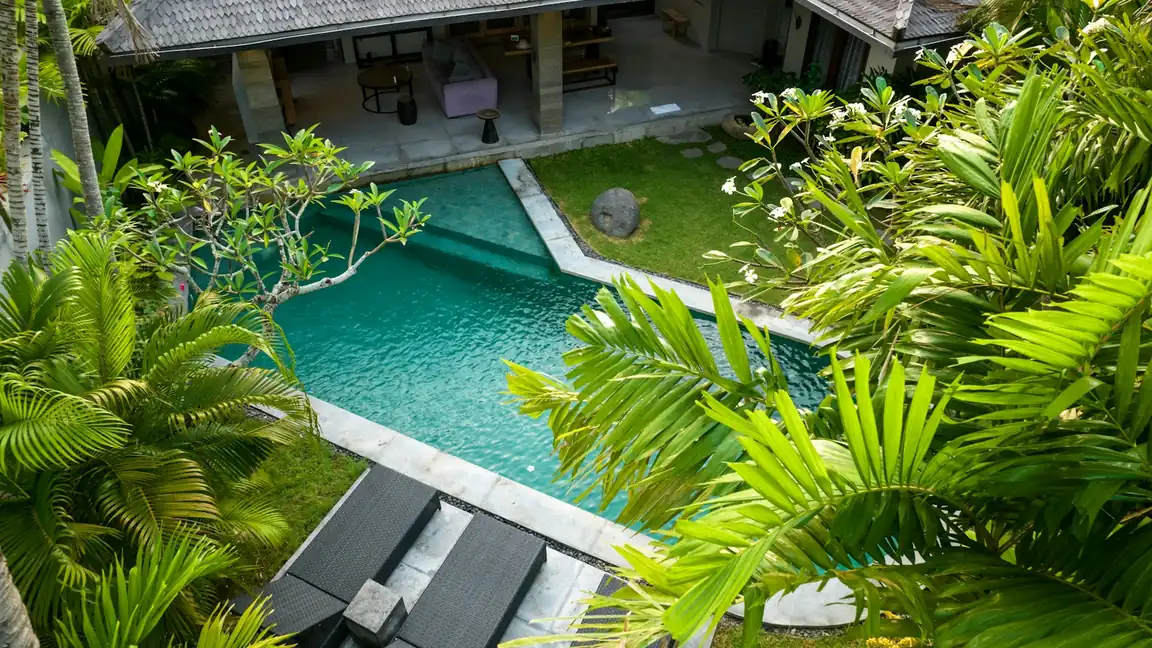
Bali wellness property investment outlook 2027 is cautiously positive: by 2027, wellness‑focused hotels and retreats in prime areas are expected to trade at 10–20% above 2019 ADRs, with occupancy stabilising around 65–75% in core markets, driven by retreat demand, recovery tourism and longer hybrid‑work stays.
How strong is the Bali wellness property investment outlook 2027 overall?
By 2027, Bali’s wellness segment is expected to be one of the island’s most resilient hospitality niches. Retreat packages in 2026 already sell from about USD 800 to USD 8,000 per week, with premium 7‑day programs often priced at USD 3,000–5,000 per person as of August 2026. This supports robust yield potential on well‑positioned assets.
Government and tourism agencies in Indonesia continue to highlight wellness and nature‑based tourism as priorities, while areas like Gianyar (Ubud, Payangan) and Badung (Canggu, Seminyak, Uluwatu) remain top‑of‑mind for international visitors. Flagship estates such as COMO Shambhala Estate in Payangan confirm enduring global appetite for high‑touch, high‑spend wellness stays.
Scenario modelling through 2027 suggests three trajectories: a base case with steady growth in RevPAR of 5–8% per year, an upside case driven by medical‑adjacent and digital‑nomad demand, and a downside case where global shocks slow long‑haul travel but still leave wellness properties outperforming standard leisure hotels due to their program‑based, higher‑margin pricing.
Which are the best Bali areas for wellness property investment by 2027?
Investors increasingly split focus among Ubud, Canggu, East Bali and the north coast. The best Bali areas for wellness property investment through 2027 balance guest demand, land cost and regulatory clarity. Gianyar (Ubud and surrounds) remains the core “serious wellness” market, with strong retreat pricing and year‑round yoga and healing tourism.
An Ubud wellness property investment guide for 2027 would emphasise Payangan, Tegallalang and the river valleys north of central Ubud, which offer cooler temperatures and nature views, while remaining within 20–40 minutes of restaurants and clinics. As of August 2026, established retreats here commonly achieve premium weekly rates in the USD 2,000–4,000 range per person.
In contrast, a Canggu wellness property investment guide focuses on blended concepts: surf‑and‑yoga, detox plus co‑working, and short “reset” programs tied to weekend traffic from Singapore and Jakarta. Canggu’s land prices are higher, but occupancy is supported by younger wellness travellers and those drawn to Hybrid work and Bali wellness stays 2027, extending average length of stay and supporting solid shoulder‑season performance.
How do Sidemen and North Bali rank for future eco and retreat potential?
Sidemen wellness property potential has sharpened considerably as travellers seek quieter, rice‑terrace settings similar to “old Ubud”. By 2027, Sidemen in East Bali is projected to host more small‑scale eco‑luxe lodges and detox retreats. Acquisition and build costs remain lower than Ubud as of August 2026, allowing higher yield if operators can drive international marketing and reliable access.
North Bali eco retreat property potential centres on areas around Lovina, Tejakula and the hills above Singaraja. These districts are closer to waterfalls, reefs and cooler highlands that suit breathwork, meditation and recovery‑focused stays. Currently guest volumes are smaller than in the south, but this also means less competition and more scope for differentiated offerings focused on silence, fasting, and long‑stay wellness rehabilitation.
Investors evaluating Sidemen or North Bali should factor in slightly longer transfer times from Ngurah Rai International Airport, higher dependency on direct online marketing, and the need for strong operational procedures, including a clear Bali retreat confidentiality policy for longer‑term guests seeking privacy for personal healing and Bali performance recovery retreat Bali programs.
How will retreat pricing and yields evolve through 2027?
Retreat prices as of August 2026 provide solid benchmarks. Mid‑range week‑long programs often sell for USD 1,700–3,500 (about USD 285–585 per night), while luxury or ultra‑luxury weeks reach USD 3,500–8,000+ per person, inclusive of meals, classes and spa. A 4‑day wellness package may cost around USD 480–650 per person in group settings, already inclusive of around 21% government tax and service charges in some examples.
By 2027, the base‑case expectation is for average package prices to rise 10–20% in nominal terms as operational costs, staffing and imported wellness products become more expensive. Properties that build year‑round programs and a Bali wellness retreat membership community will be better positioned to maintain occupancy and raise rates without over‑relying on discounting.
From a yield perspective, wellness properties often show higher revenue per available room than standard hotels because guests pay not just for the bed, but for yoga, coaching, spa and curated Bali retreat Balinese ceremony experiences. These experiences represent both an income stream and a brand differentiator, especially when guided respectfully with local communities and licensed Balinese priests.
What should Singapore investors know about leasehold vs freehold retreat deals?
The typical Singapore investor Bali wellness property strategy weighs cash yield against security of tenure. Foreigners generally access property via long leasehold or Indonesian nominee structures; freehold is highly regulated and requires specialist legal advice. For wellness retreats, long leasehold periods (for example, 25–30 years with options to extend) are common as of August 2026.
A practical Bali wellness retreat investment guide will always start with paperwork: verifying zoning allows commercial accommodation, cross‑checking environmental requirements, and stress‑testing projections against realistic occupancy and rate scenarios. Comparing Bali leasehold vs freehold retreat investment options involves understanding not just title, but also capital expenditure obligations, extension formulas and exit strategies if the asset is to be resold to another investor in 10–15 years.
Many retreats are marketed as Bali wellness retreat property for sale that can be run as a going concern, often with existing staff, guest lists and digital presence. For Singapore‑based buyers, this can shorten ramp‑up time, but it remains essential to audit historical bookings, supplier contracts and compliance with tourism regulations under the Government of Bali Province and national tourism authorities.
How do operations, staffing and guest safety shape 2027 performance?
By 2027, operational quality will sharply influence returns. Guests increasingly ask how to choose a Bali wellness retreat safely, scrutinising medical access, hygiene, instructor credentials and privacy standards. Properties that clearly articulate safety protocols, consent for treatments and a robust Bali retreat confidentiality policy in guest documentation will outperform in reviews and repeat bookings.
Another differentiator is service culture. A capable Bali wellness retreat multilingual staff team—often speaking Indonesian, English and at least one additional language such as Mandarin, German or Russian—helps capture global demand and communicate complex wellness programs accurately. This is especially important as more visitors combine wellness with medical consultations, as seen in wider trends documented in the Future of Bali spa and medical wellness 2027.
Guest experience add‑ons—such as curated temple visits, Balinese cleansing rituals and guided Balinese ceremony experiences—remain revenue‑positive provided they are organised respectfully and transparently. Long‑term success also depends on clear contracts for Bali wellness retreat full property hire, including noise rules, liability clauses and staff overtime, which protect both owner and operator during high‑value group buyouts.
- Standard weekly wellness programs in 2026: roughly USD 800–8,000 per person for 6–7 nights, depending on luxury level and inclusions.
- Example 4‑day all‑inclusive retreat: around USD 480–650 per person as of August 2026, including approximately 21% tax and service charge in some packages.
- Core locations by 2027: Ubud/Payangan, Canggu, East Bali (Sidemen) and selected north‑coast villages around Lovina and Tejakula.
- Typical initial due‑diligence set: zoning certificate, building permits, tourism licence, lease/freehold title history and utility access confirmations.
- Expected hybrid‑work stay lengths: 2–4 weeks in Canggu and Ubud, supported by co‑working and high‑speed connectivity.
- Group full‑property hire contracts: usually require 30–50% deposit and final balance 30–60 days before arrival for 2026–2027 bookings.
- Sample budget to mid‑range daily spend: around USD 100–250 per guest per day for all‑inclusive wellness programs as of August 2026.
Frequently asked questions
is Bali wellness property investment outlook 2027 worth it in Bali?
Bali’s wellness segment is projected to outperform generic leisure hotels through 2027, supported by rising global interest in mental health, recovery and digital‑detox travel. Returns depend on location, legal structure, operator quality and pricing discipline, but well‑researched assets in strong submarkets like Ubud and Canggu show attractive medium‑term upside.
how to choose a bali wellness retreat safely
Check that the retreat is licensed for accommodation, uses qualified yoga and therapy staff, and has clear emergency and medical‑referral procedures. Review sanitation standards, refund and cancellation policies, and how they protect guest privacy. Independent reviews, transparent program descriptions and written confidentiality and consent forms are practical safety indicators.
what is included in Bali wellness property investment outlook 2027?
This outlook covers demand trends, area‑by‑area potential, pricing scenarios, leasehold vs freehold considerations and operational drivers like staffing, privacy and safety. It also highlights emerging zones such as Sidemen and North Bali, and touches on product design, from eco‑retreats to membership‑driven communities and full‑property hire models.
How does full property hire work for a Bali wellness retreat?
Full property hire usually means one group books all rooms for a set period, often 4–10 nights. Packages typically include accommodation, meals, daily classes and some spa treatments. Contracts spell out maximum occupancy, use of public areas, quiet hours, staff overtime and liability, plus staged payments before arrival and security‑deposit rules.
How can investors keep retreats attractive yet affordable for guests?
Balance room count, staffing levels and facilities so operating costs stay manageable while still offering strong value. Tiered packages and shoulder‑season promotions help, as do partnerships that create Affordable Bali wellness retreat deals. Efficient design, solar or water‑saving systems and clear program calendars also support sustainable, guest‑friendly pricing.
For a tailored investment review, scenario modelling or a Bali wellness retreat price comparison across key areas and concepts, contact the BD desk (part of Juara Holding Group — since 2015) via WhatsApp 6281139414563, email bd@juaraholding.com, or explore our detailed Bali wellness retreat price comparison guide.
Last updated 1 August 2026
Keep Reading
More from the Journal

Uncategorized
Bali Wellness Retreat Trends To Watch In 2027
9 min read
Uncategorized
Future Of Bali Spa And Medical Wellness 2027
9 min read
Uncategorized
How Ubud Retreats May Evolve By 2027
9 min read