
Uncategorized
Eco Wellness Retreats In Bali By 2027
By admin_sgb4 Published 10 min read
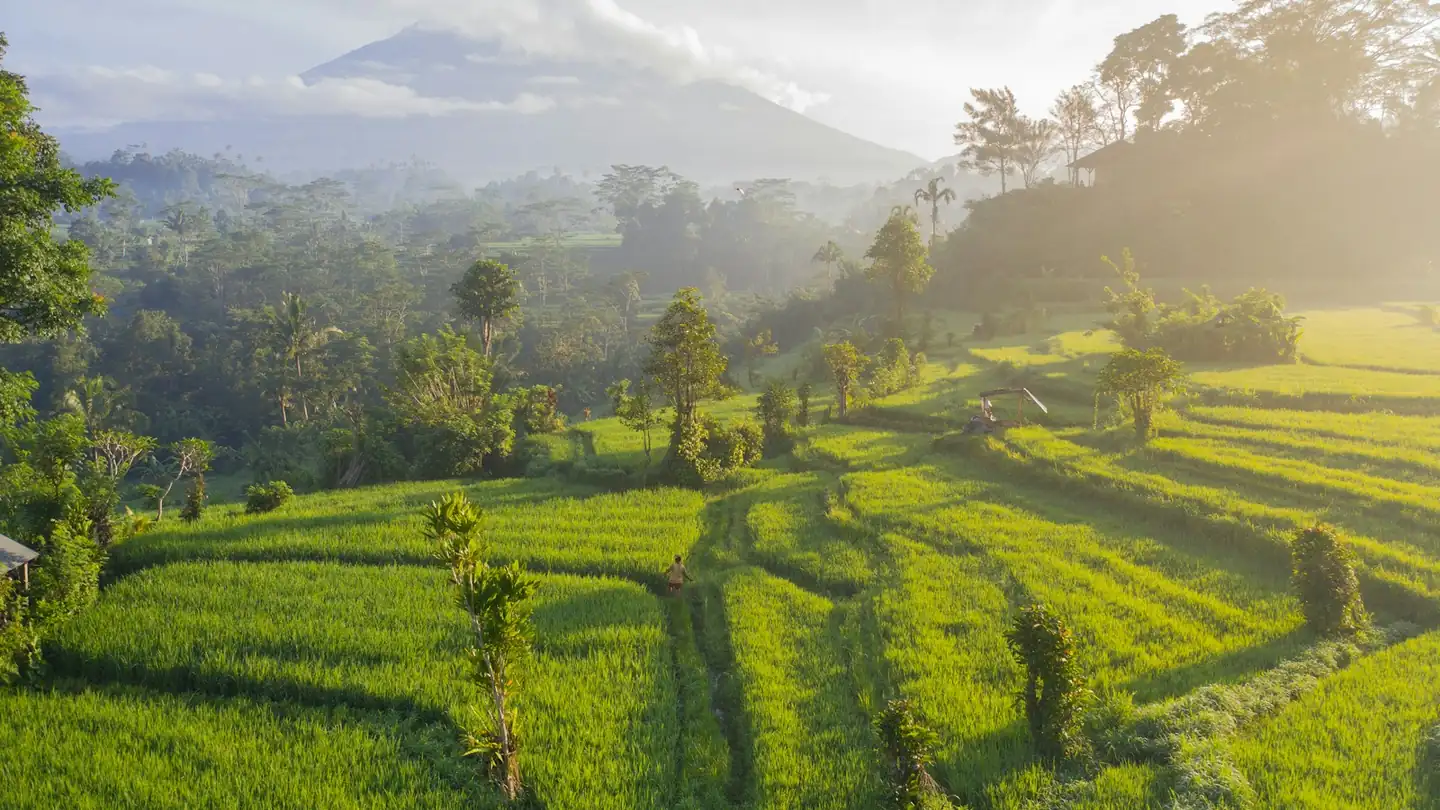
By 2027, Sustainable eco wellness retreats Bali 2027 will likely mean properties cutting energy use per guest night by 30–50% versus 2023 baselines, publishing annual carbon reports, and meeting stricter water, waste, and cultural guidelines, as carbon-aware guests compare measurable data almost as closely as yoga schedules and spa menus.
How will “eco” standards for Bali wellness retreats change by 2027?
By 2027, “eco” in Bali will be less about bamboo aesthetics and more about auditable performance. Guests already ask for data on water use, waste diversion, and emissions; by 2027 many high-end retreats around Ubud, Canggu, and Sanur are expected to share annual impact summaries aligned with Indonesia’s tourism sustainability push and global net‑zero narratives.
The Bali wellness retreat sustainability policy will likely move from a short website paragraph to a structured document that covers energy, water, waste, supply chains, and local culture. Properties serious about international guests are expected to benchmark against frameworks used by established wellness resorts such as COMO Shambhala Estate in Gianyar, then adapt them to local regulations under the Provincial Government of Bali and the Ministry of Tourism and Creative Economy.
For travelers researching Sustainable eco wellness retreats Bali 2027, this means comparing retreats with clear Bali retreat eco certification requirements and those without. Guests will increasingly seek evidence like third‑party audits, energy metering, and verified community programs rather than only marketing claims. Expect certification or at least self‑reported metrics to become a booking filter on many platforms by late 2026.
What design standards will shape yoga shalas, rooms, and cold plunge pools?
Eco retreat design in Bali is already evolving, and by 2027 the bali retreat yoga shala design standards are likely to combine passive cooling, low‑impact materials, and acoustic control with technology-light spaces. Architects are moving toward cross‑ventilation, deep overhangs, and locally sourced timber or bamboo, while keeping sound insulation high enough for shared classes and Bali mindfulness and meditation retreat sessions.
Guest room specifications are also tightening. Carbon-aware travelers increasingly ask about bali retreat mattress and bedding standards: organic or OEKO‑TEX certified fabrics, natural latex or low‑VOC foam, and laundering policies that reduce water and chemical use without compromising hygiene. By 2027, mid‑range and luxury wellness retreats will likely publish mattress and textile specs in pre‑arrival information, much like they now detail spa menus.
Water features are shifting too. Instead of purely decorative pools, properties are adding functional recovery elements such as a bali retreat with cold plunge pool paired with solar‑assisted heating for contrast therapy. Expect more natural or mineral pools using salt or low‑chlorine systems to cut chemical loads. Design teams will have to integrate mosquito‑safe water circulation and smart bali retreat mosquito control solutions such as biological controls, screened lounging spaces, and non‑toxic repellents.
How will kitchens, gardens, and cultural programs meet higher sustainability expectations?
Food and culture will be two of the most scrutinised areas in Sustainable eco wellness retreats Bali 2027. On the food side, bali retreat kitchen hygiene standards must already comply with Indonesian health regulations; by 2027, guests will expect these standards to sit alongside transparent sourcing, reduced food waste, and plant‑rich menus.
Retreats are investing in bali retreat permaculture garden design to supply herbs, vegetables, and medicinal plants directly to their kitchens. By integrating composting, rainwater capture, and polyculture planting, these gardens can cut food‑mile emissions while providing hands‑on learning sessions. Many programs will include garden tours or workshops where guests plant, harvest, and then join a cooking class featuring that produce.
Culturally, next‑generation bali retreat cultural program design is shifting from occasional dance performances to co‑created experiences with local communities. This might include Balinese offerings-making, language introductions, temple etiquette briefings, or village walks guided by local residents, with clear revenue‑sharing models. By 2027, programs that simply “use” culture as decoration will struggle; guests are increasingly sensitive to respectful representation and community benefit.
Retreats adapting early are already mapping their cultural calendars through to 2027, aligning ceremonies with Balinese holidays and seasons, and coordinating with local banjar (village councils). That preparation will be part of the documented bali wellness retreat sustainability policy many guests ask to see before confirming a booking.
How will health, access, and safety influence eco-retreat site choices by 2027?
Health resilience is an under‑discussed aspect of eco design that is becoming central as wellness tourism grows. Close access to quality medical care matters, especially for guests with pre‑existing conditions or older corporate groups. For retreat hubs such as Canggu, bali hospital access from canggu retreats typically involves hospitals and clinics in Denpasar or the wider Badung area, reachable within roughly 30–60 minutes by road depending on traffic.
By 2027, more eco retreats are expected to integrate clear medical access plans into their safety documentation, including mapped routes, nearby hospital contacts, and protocols for incidents in yoga classes, cold‑plunge sessions, or hiking activities. Carbon‑aware guests are also risk‑aware; many will ask how emergency transfers are handled before paying deposits.
Mosquito‑borne disease prevention will stay a priority. Rather than relying heavily on chemical fogging, eco‑conscious properties are likely to expand layered bali retreat mosquito control solutions: eliminating standing water, installing ceiling fans and fine mesh screens, planting repellent species such as lemongrass and marigold, and offering natural repellents alongside conventional options. Design features like covered walkways and screened yoga shalas become part of health strategy as well as comfort.
This focus on responsible safety planning complements broader sustainability moves like measuring emissions through tools similar to those discussed in analyses of the Bali wellness retreat carbon footprint 2027.
How will pricing, discounts, and performance metrics evolve by 2027?
Based on 2026 data, a 6‑night wellness retreat in Bali ranges roughly from US$800 to US$8,000 per person, depending on category and inclusions. As of August 2026, entry‑level eco stays can still be found just under US$100 per night, while premium 7‑day programs with extensive treatments often reach US$3,000–5,000 per person.
By 2027, Sustainable eco wellness retreats Bali 2027 are unlikely to be cheaper than conventional retreats; however, earlier booking will matter more. Many properties are already trialling bali retreat early bird 2027 discounts for guests who commit 6–12 months ahead, giving operators time to plan capacity, permaculture yields, and staff development. Discounts may reach 10–20% depending on season and room type.
On the business side, retreat owners are increasingly data‑driven. A dedicated bali wellness retreat kpi dashboard is becoming normal for tracking occupancy, retreat length, average spend per guest, and add‑on revenue from spa, workshops, and transfers. In parallel, bali wellness retreat conversion rate benchmarks help operators judge whether their websites and campaigns are effectively turning eco‑interested visitors into confirmed guests, especially as search topics such as Bali digital detox retreat demand 2027 gain traction.
Carbon performance will also become a quasi‑financial metric. Expect more operators to calculate emissions per guest night, then link early‑bird rates or long‑stay discounts to lower‑impact seasons, such as months with high local harvests or cooler weather that reduces air‑conditioning loads.
What new formats will appear: host‑your‑own, cruises, and corporate retreats?
By 2027, eco‑conscious travelers will not only join retreats; many will host them. Properties are already designing flexible spaces so facilitators can run a bali wellness retreat host your own format with clear sustainability guardrails: maximum group size by season, plant‑based menu baselines, and capped laundry volumes per guest.
Ocean‑based wellness will likely expand too. A bali wellness cruise and island retreat format that combines shorter sea voyages around Bali’s neighboring islands with land‑based eco stays allows programs to mix breathwork, snorkeling, and onshore cultural sessions while tracking fuel use more carefully. Operators will need to publish environmental practices for both the cruise and the land component.
Corporate groups remain a major growth area. As companies look for lower‑carbon offsites, demand for a data‑transparent Corporate wellness retreat Bali that meets clear sustainability thresholds is already increasing. By 2027, procurement teams may request emissions estimates, cultural program outlines, and health access plans before approving travel.
Traditional wellness hubs around Ubud are already evolving, as tracked in studies of the Ubud wellness retreat evolution to 2027. Properties that combine credible sustainability reporting with strong facilitation support are best placed to win these multi‑week, higher‑budget bookings.
- Written bali wellness retreat sustainability policy shared in pre‑arrival documents, outlining energy, water, waste, and community practices.
- Published bali retreat kitchen hygiene standards and sample menus, including percentages of garden‑sourced and plant‑based dishes.
- Room specs showing bali retreat mattress and bedding standards, cleaning frequency, and low‑VOC material usage.
- Site plan including bali retreat permaculture garden design, mosquito‑safe water features, and shaded, cross‑ventilated yoga shalas.
- Emergency and medical access brief, including nearest hospitals from Ubud, Canggu, or coastal sites and transport plans.
- Data snapshot pulled from a bali wellness retreat kpi dashboard shared with partners or corporate clients on request.
- Clear outline of bali retreat cultural program design, listing local partners, revenue sharing, and expected guest etiquette.
Frequently asked questions
how much does Sustainable eco wellness retreats Bali 2027 cost in Bali?
As of August 2026, Sustainable eco wellness retreats Bali 2027 are expected to fall within existing wellness price bands: roughly US$800–1,700 for budget 6‑night programs, US$1,700–3,500 for mid‑range, and US$3,500–8,000+ for luxury per person. Eco features may add 5–15%, though early‑bird 2027 discounts can offset that premium.
is Sustainable eco wellness retreats Bali 2027 worth it in Bali?
For many guests, yes—if the retreat publishes real sustainability data, not just green design images. A well‑run eco retreat can reduce emissions, support local communities, and improve health outcomes compared with conventional stays. The value is strongest when programs integrate nature, culture, medical access planning, and transparent measurement of their environmental footprint.
what is included in Sustainable eco wellness retreats Bali 2027?
Most Sustainable eco wellness retreats Bali 2027 will include accommodation, daily yoga and meditation, healthy meals (often with garden‑sourced ingredients), airport transfers, and selected spa or healing sessions. Increasingly, guests can expect permaculture and cultural activities, access to a cold plunge or natural pool, and clear information on sustainability practices embedded into each inclusion.
How do I compare different eco wellness retreats in Bali for 2027?
Check each retreat’s published sustainability policy, eco certification status, and actual performance data such as energy or water use per guest night. Review the balance of cultural immersion, medical access, and safety planning. Then compare pricing, early‑bird offers, and group sizes, and ask for sample daily schedules to see how spacious or crowded the program feels.
Can I host my own eco wellness retreat in Bali by 2027?
Yes. Many venues are building host‑friendly formats that allow facilitators to design programs within clear sustainability frameworks. Expect minimum stay requirements, set menu baselines, and guidance on cultural programs. Responsible hosts should align their curriculum with local customs, safety protocols, and the property’s environmental commitments to deliver a cohesive experience.
To explore or design Sustainable eco wellness retreats Bali 2027 for your group or brand, contact the BD desk at Juara Holding Group via WhatsApp 6281139414563 or email bd@juaraholding.com.
Last updated 1 August 2026
Keep Reading
More from the Journal
Uncategorized
Bali Wellness Retreat Trends To Watch In 2027
9 min read
Uncategorized
Future Of Bali Spa And Medical Wellness 2027
9 min read
Uncategorized
How Ubud Retreats May Evolve By 2027
9 min read