
Uncategorized
Regulations For Bali Wellness Retreats By 2027
By admin_sgb4 Published 8 min read
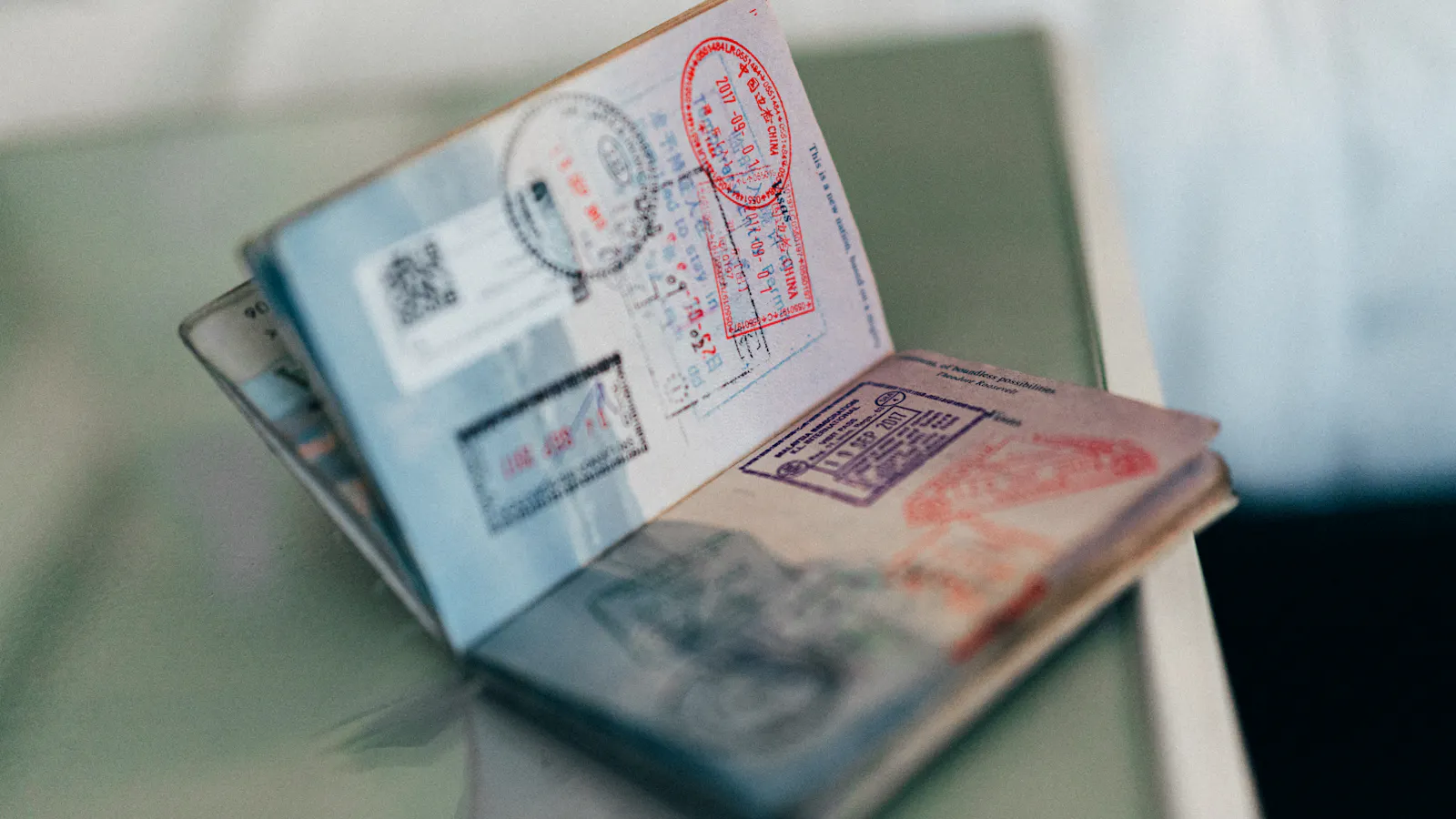
By 2027, most Bali wellness retreat guests will enter on Indonesia’s standard 30‑day visa‑on‑arrival or a 60‑day e‑visa, while retreat operators must comply with updated safety, employment, and tax rules. Expect tighter enforcement of pool safety, social media content, and community‑impact standards across key retreat areas like Ubud, Canggu, and Uluwatu.
What visas will guests need for Bali wellness retreats in 2027?
For most nationalities, visa requirements for Bali wellness retreat guests in 2027 will remain centered on Indonesia’s tourist visa framework, but with more digital pre‑clearance. As of August 2026, travelers from over 90 countries can obtain a 30‑day visa on arrival at Ngurah Rai International Airport (Denpasar) or apply for a 60‑day electronic visa in advance. These two options will likely continue as the main pathways for wellness tourism stays.
For a 5 day Bali wellness retreat package, a 30‑day visa on arrival usually suffices. Guests planning to combine multiple retreats, long teacher trainings, or extended travel may prefer the 60‑day visa, which in some cases can be extended locally. Indonesian authorities and the Ministry of Tourism and Creative Economy have signaled ongoing support for wellness tourism, but also increased scrutiny of visitors who work or teach without proper permits.
Retreat operators are expected to provide clearer pre‑arrival guidance on the length of stay visa Bali wellness tourism guests should choose, especially for programs over 14 nights. This is particularly relevant for a Bali wellness retreat for teachers and educators, who sometimes combine holiday with informal workshops. Those teaching or leading paid sessions generally require a different immigration status from regular tourists.
How will regulations affect retreat operations, safety, and social media by 2027?
By 2027, operators should expect stricter implementation—rather than brand‑new categories—of health, safety, and promotional rules that already exist under Indonesian law. Local governments in Gianyar, Badung, and Denpasar are paying more attention to guest safety after several widely reported incidents between 2022 and 2025. This affects areas such as Bali retreat pool safety regulations, fire exits, and medical emergency procedures.
Retreats will increasingly need documented lifebuoys, clear depth markers, and written pool rules, especially in family‑friendly or corporate programs. For example, major wellness properties around Ubud and Canggu started formalizing pool inspections and staff first‑aid training after seasonal peak‑season incidents in 2023–2024. These requirements are expected to be enforced more consistently across smaller boutique venues by 2027.
Another focus area is Bali retreat social media content rules. Influencer‑driven marketing has pushed local authorities to crack down on culturally insensitive content and undisclosed paid promotions. Retreats hosting a Bali cacao ceremony wellness retreat, temple visits, or farm experiences will likely need written consent from local partners and clear guidelines on what may be filmed or posted. Expect stronger enforcement of rules against using sacred sites purely as Instagram backdrops, and more transparency rules around paid testimonies and retreat review generation strategy.
What economic and real‑estate impacts will wellness tourism have by 2027?
The impact of wellness tourism on Bali real estate has already been significant in Canggu and Ubud, where villa prices climbed quickly from 2019 to 2025. By 2027, wellness retreat demand is likely to keep pushing land and long‑term lease prices up, particularly in Gianyar (yoga and healing focused) and Badung (surfy, lifestyle retreats). This trend encourages investors to Buy a wellness retreat property in Bali but also raises concerns about affordability for local residents.
Government agencies have started talking more openly about the Bali retreat impact on local communities, such as pressure on water resources and housing. Some village authorities now ask retreat operators to contribute to banjar (community) funds, support temple ceremonies, or collaborate on waste management. Programs like a Bali retreat farm to table program—sourcing vegetables, rice, and fruit directly from nearby farmers—are increasingly seen as positive examples, as they redirect tourism income into local agriculture.
Investors planning to enter the market by 2027 will need a solid understanding of zoning, building approvals, and tourism licensing. Reading resources like the Future of Bali spa and medical wellness 2027 outlook can help forecast which regions may see supportive infrastructure (roads, clinics, fiber internet) and which may face tighter caps on new accommodations.
How should guests and operators plan for costs and logistics in 2027?
Retreat pricing is shaped by both regulatory and market factors. As of August 2026, a general guide suggests Bali wellness retreats cost around US$800–US$8,000 for a 6‑night program, depending on location, inclusions, and category. Budget programs sit in the US$800–US$1,700 range, mid‑range around US$1,700–US$3,500, and luxury options from US$3,500 up to >US$8,000 for the same duration.
A 4‑day wellness retreat example in Bali is listed at about US$480–US$650 per person (all‑inclusive, with around 21% government tax and service included) as of 2026. Guests comparing Affordable Bali wellness retreat deals with premium brands should check not only room standards but also legal compliance: licensed therapists, clear safety procedures, and transparent visa guidance. These elements may slightly increase operational costs but reduce risk for both sides.
For logistics, common questions include transport from the airport. A typical Denpasar airport to Canggu retreat taxi cost as of August 2026 ranges roughly from IDR 250,000 to IDR 400,000 depending on traffic, time of day, and whether guests use official airport taxis, ride‑hailing apps, or pre‑booked drivers. By 2027, digital booking and cashless payment options will be even more common.
How can retreats stay compliant while serving diverse guest needs?
By 2027, successful operators will combine solid Bali wellness retreat legal and visa advice with program personalization. This includes creating clear pre‑arrival information packs—often in PDF—explaining required documents, health insurance suggestions, and local customs. Many venues already provide a sample Bali wellness retreat itinerary pdf download so guests know how sessions, meals, and rest times are structured under local labor and noise rules.
Serving specific niches also intersects with regulation. For example, a Bali wellness retreat for teachers and educators may schedule workshops around school holidays from June to August or December to January, which are also high‑season periods under stricter crowd and noise management policies. Retreats hosting Middle Eastern groups often highlight having Bali retreat Arabic speaking staff to ensure guests understand safety briefings, visa rules, and cultural etiquette in their native language.
Culinary programs need attention too. A Bali retreat vegan menu example must still respect Indonesian food safety standards, refrigeration rules, and labeling for allergens. Farm‑to‑table and cacao ceremony offerings should be sourced from producers who comply with agricultural and food‑handling norms. As certification schemes spread, guests can expect more transparent sourcing and clearer labeling for organic, plant‑based, or halal‑friendly options.
- Most wellness retreat guests will use a 30‑day visa on arrival or 60‑day e‑visa; check your passport’s eligibility before booking.
- As of August 2026, typical airport–Canggu transfers cost about IDR 250,000–400,000 by taxi or pre‑booked car.
- Standard retreat prices in 2026 range from roughly US$800 to US$8,000 for a 6‑night program, often including ±21% tax and service.
- Pools should have visible depth markers, rescue equipment, and first‑aid trained staff on duty during guest swim hours.
- Guests should keep digital and printed copies of passports, return tickets, and accommodation details for immigration checks.
- Social‑media filming at temples or during ceremonies usually requires prior permission from local leaders or venue owners.
- Farm‑to‑table and vegan menus must follow Indonesian food‑safety rules, including proper cold storage and clear allergen information.
Frequently asked questions
how much does Bali wellness retreat regulations and visas 2027 cost in Bali?
There is no separate “fee” for Bali wellness retreat regulations and visas 2027, but guests must budget for visa charges and retreat prices. As of August 2026, visa on arrival is typically a modest fixed fee per person, while retreat packages range from about US$800 to US$8,000 per week depending on category and inclusions.
is Bali wellness retreat regulations and visas 2027 worth it in Bali?
Compliance with Bali wellness retreat regulations and visas 2027 is worthwhile because it directly affects safety, legality, and peace of mind. Proper visas reduce immigration risks, while regulated retreats are more likely to have trained staff, clear pool‑safety procedures, fair labor practices, and respectful relationships with local communities and temples.
what is included in Bali wellness retreat regulations and visas 2027?
Bali wellness retreat regulations and visas 2027 generally include immigration rules for tourist stays, local safety requirements for pools and buildings, employment standards for staff, and guidelines for marketing and social media. For guests, it mainly means using the correct short‑stay visa, following local laws, and choosing operators that adhere to updated safety and community‑impact rules.
How do regulations affect a 5 day Bali wellness retreat package?
For a 5 day Bali wellness retreat package, regulations mostly influence visa type, safety standards, and taxes included in the price. Guests typically enter on a 30‑day tourist visa, while operators must register accommodation, follow pool and fire‑safety rules, and charge government taxes correctly on rooms, spa treatments, and wellness services.
Do cacao ceremonies and vegan menus face special rules in Bali?
Activities like a Bali cacao ceremony wellness retreat and vegan culinary programs must respect cultural norms and food‑safety requirements. Ceremonial elements should be designed with local practitioners to avoid misuse of sacred symbols, while a Bali retreat vegan menu example must comply with hygiene, storage, and labeling regulations under Indonesian health and food laws.
For tailored guidance on Bali wellness retreat regulations and visas 2027, or to structure a compliant Corporate wellness retreat Bali program, contact our advisory desk via WhatsApp 6281139414563 or email bd@juaraholding.com (BD desk Juara Holding Group).
Last updated 1 August 2026
Keep Reading
More from the Journal

Uncategorized
Bali Wellness Retreat Trends To Watch In 2027
9 min read

Uncategorized
Future Of Bali Spa And Medical Wellness 2027
9 min read
Uncategorized
How Ubud Retreats May Evolve By 2027
9 min read